Comporta & Melides — holiday homes on Rafter

Comporta & Melides

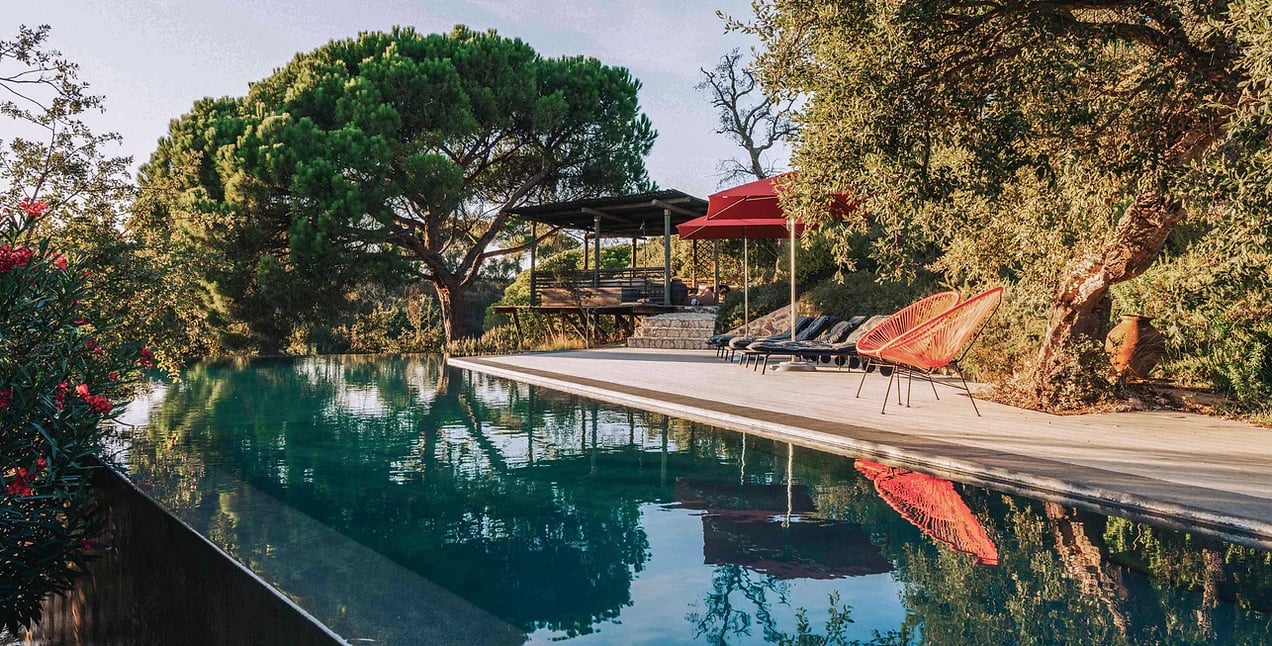
This stretch of the Alentejo coast is rice paddies, cork oak, umbrella pine and about sixty kilometres of Atlantic beach, an hour and a quarter from Lisbon. It has been called Portugal's next big thing for more than a decade, which means it is no longer a discovery and the guides that still describe it that way have not been recently. What remains true is the landscape, which is genuinely unusual in Europe, and the fact that the development has stayed low, sandy and largely Portuguese rather than turning into a resort coast.

The practical decision is which village. Comporta and neighbouring Carvalhal have the restaurants, the beach clubs and the shops, and suit people who want somewhere to walk to after dinner. Melides, half an hour further south, has a village, a lagoon and much less of everything else, and suits people who want the house to be the point of the week. Our houses here are listed below.
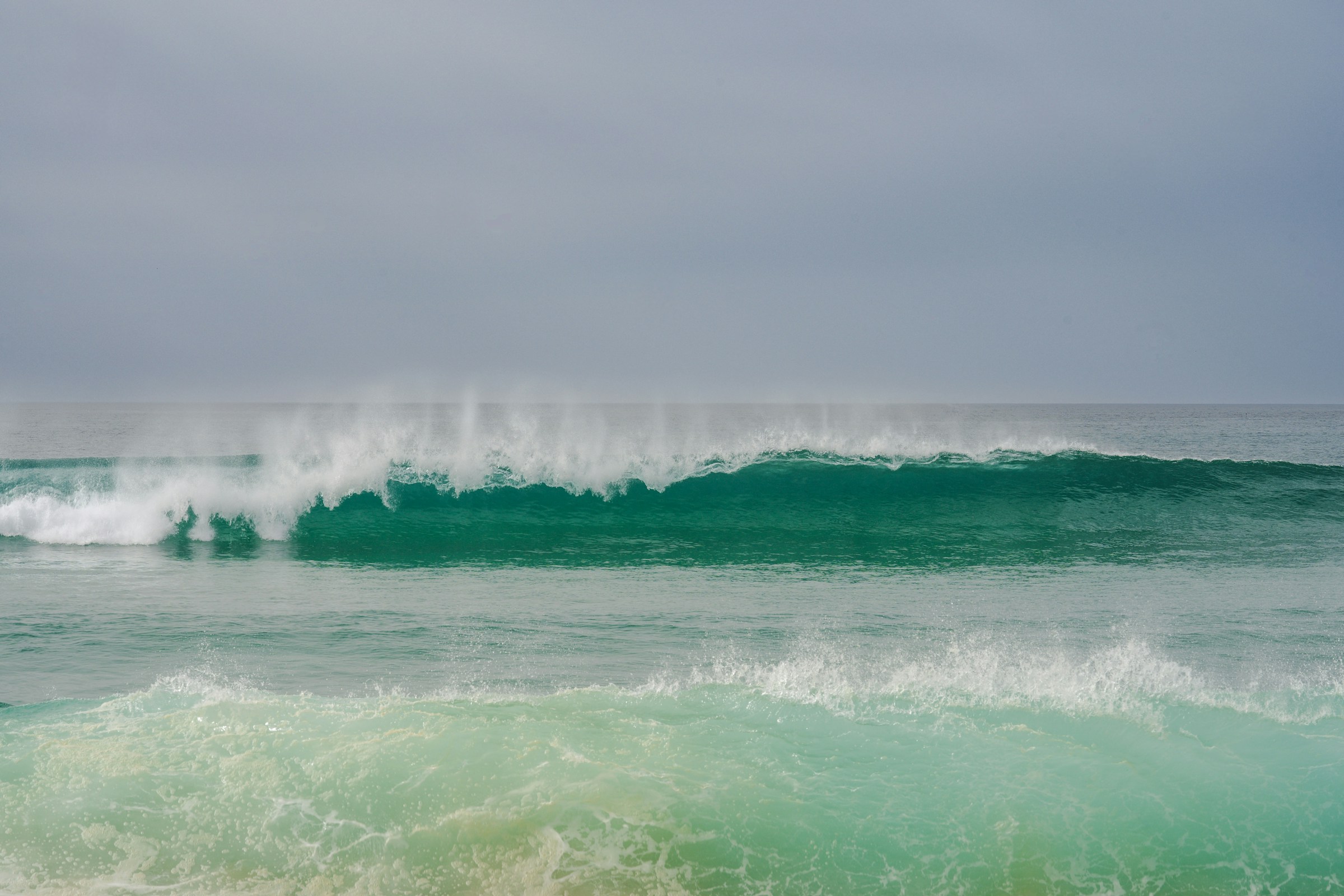
A wave coming into the Comporta coast

When to go

The season runs roughly April to October, and the shape of it matters more here than in most places.
June and September are the two weeks-to-book. The Atlantic is warm enough by June, the light is long, and the restaurants are open without being full. September holds the heat into its third week and empties out after the Portuguese and Spanish holidays end. July and August are the peak in a way that changes the character of the place: Lisbon and Madrid arrive at once, beach club daybeds and the better restaurant tables need booking days ahead rather than hours, and the sandy access roads get properly congested at midday.

May and early October are the honest value windows, warm and quiet, with the caveat that some restaurants and beach clubs have not yet opened or have already closed. Winter here is a different proposition entirely: the light is beautiful, the beaches are empty, and most of what makes the coast attractive in summer is shut.

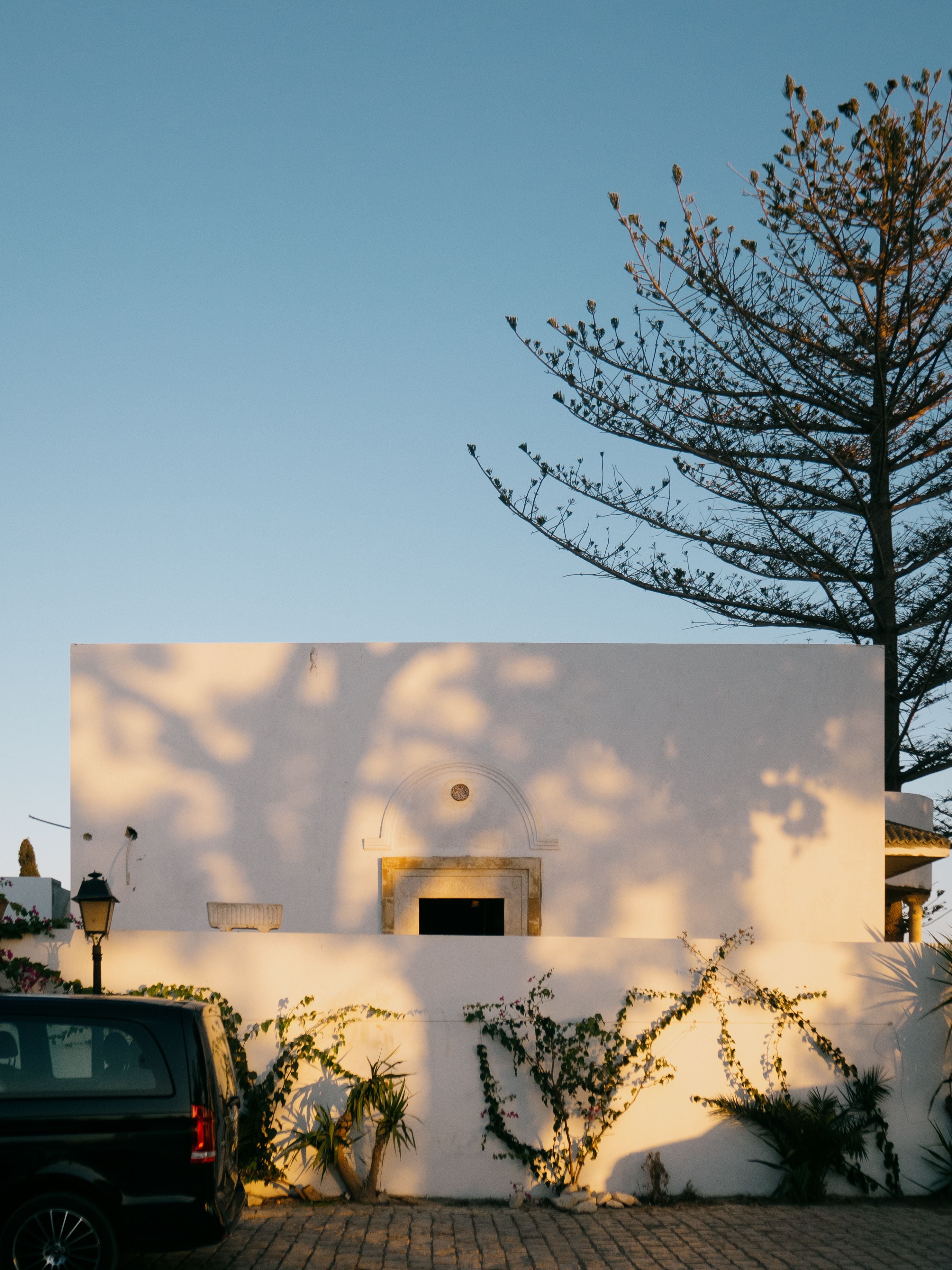
A typical Portuguese house in the evening sun with shadows from a tree on it and a car parked in front

Getting there and getting around

Lisbon airport is an hour and a quarter away by car, over the Vasco da Gama bridge and south on the A2, then west through the rice fields. The Setúbal to Tróia ferry is the slower, prettier alternative and adds twenty minutes plus whatever the queue is doing. Melides is another thirty minutes south of Comporta village.

You need a car. This is not a preference, it is a condition of the place: the villages, beaches and restaurants are spread over roughly forty kilometres with no useful public transport, and several of the best beaches are reached down unmarked sandy tracks where satellite navigation gives up. Rent something with reasonable ground clearance if you plan to explore the wilder beaches, and get directions from your house rather than trusting a map application.

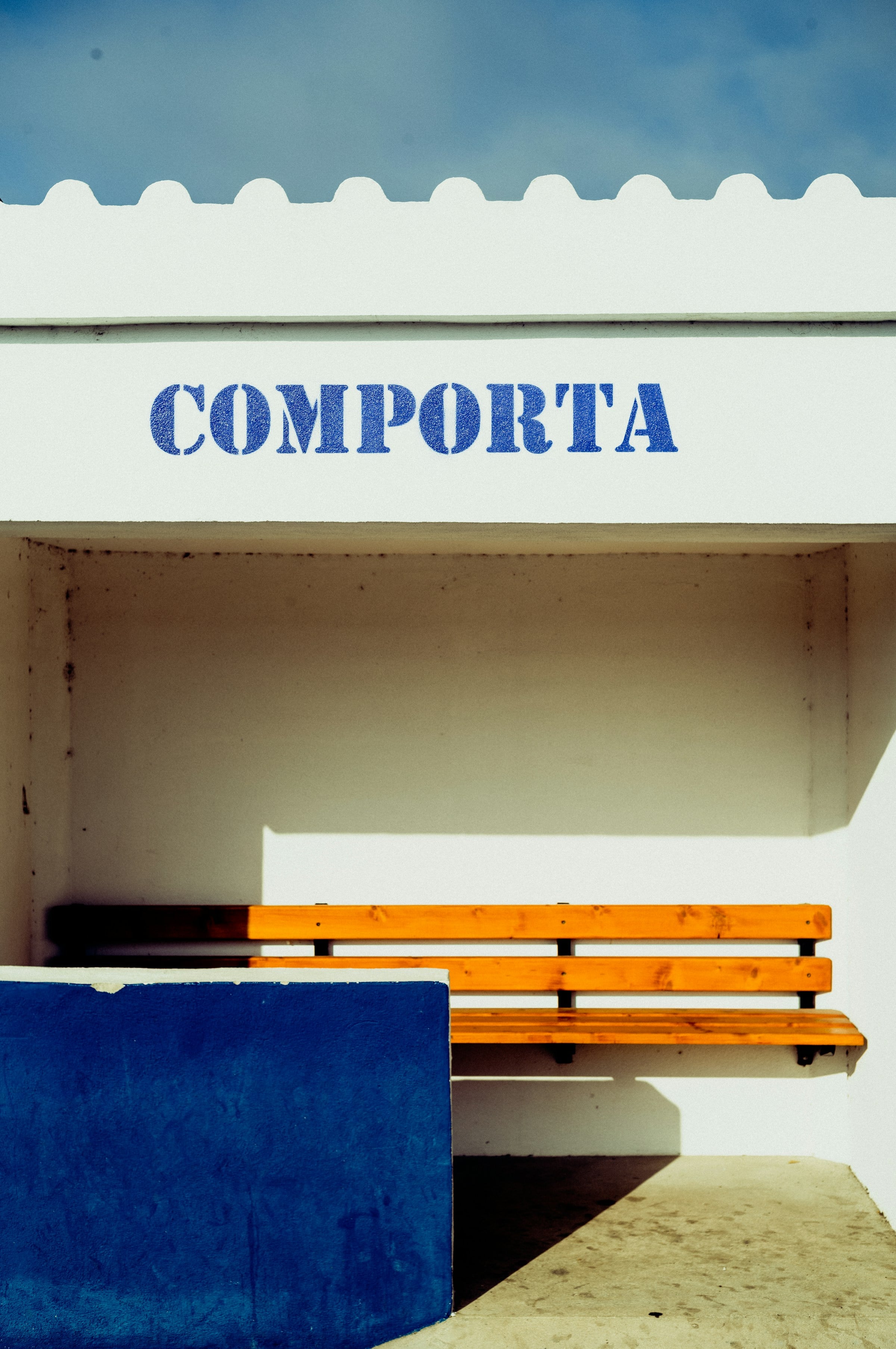
Whitewashed building with a blue wall and a bench and Comporta written on the ceiling in Comporta village

Comporta and Carvalhal

Comporta village is small, whitewashed with blue trim, and does more work than its size suggests: the concentration of restaurants and shops sits here and in Carvalhal a few minutes south. Cavalariça, in a converted stable, is the reservation to make first and needs booking well ahead. Gomes is the year-round wine bar and petiscos option with a fire in winter. JNcQUOI Deli, in the heart of Carvalhal, is the Lisbon group's version of an Alentejo tasca, and better than that description makes it sound.

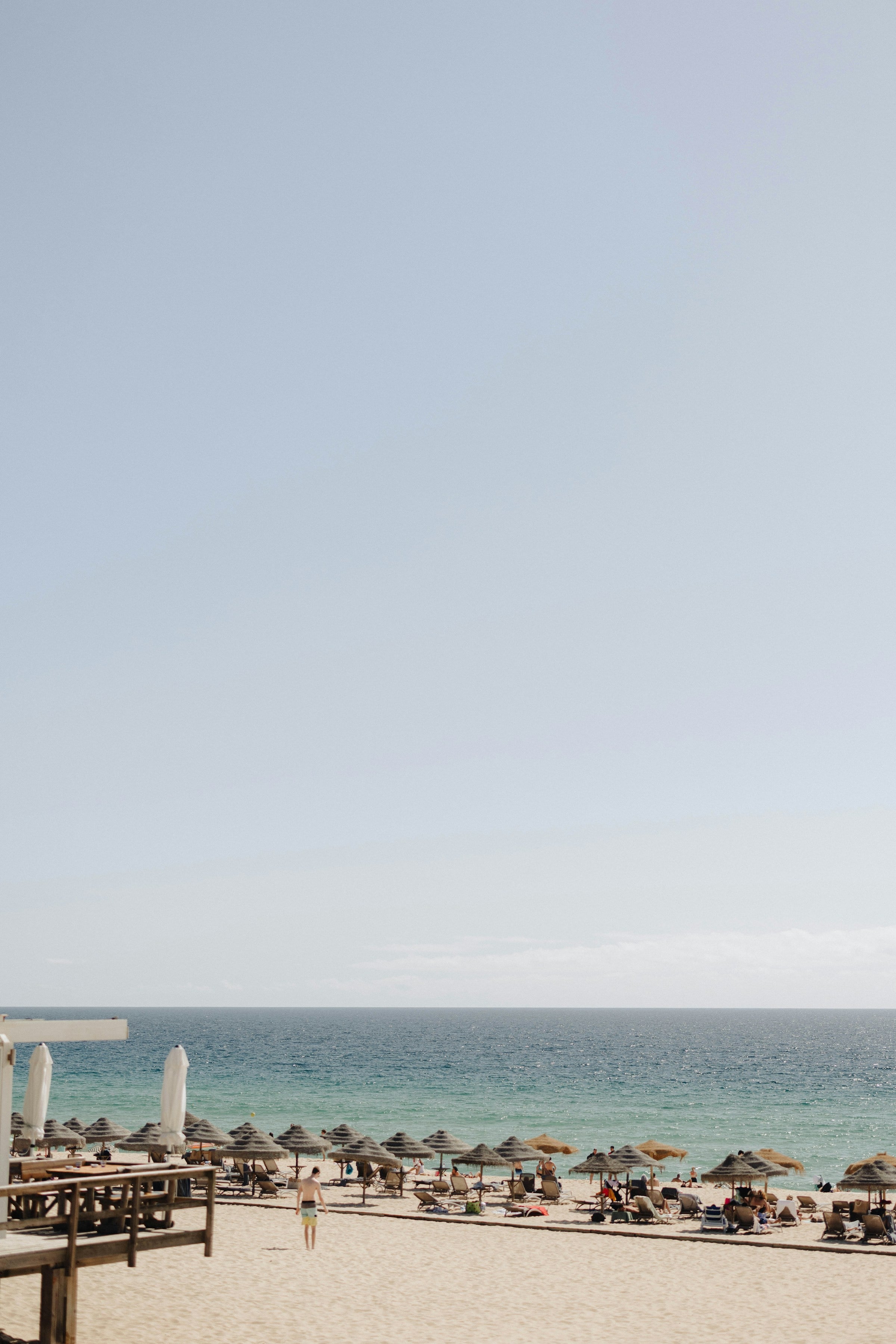
The beaches here are the busy ones in the useful sense: Carvalhal and Pego have lifeguards in season, parking, and restaurants you can walk to barefoot. Sal at Carvalhal has been the standard-bearer for grilled fish for years and remains the least fussy of the beach restaurants. Sublime Comporta Beach Club, along the same stretch, is the sleeker option and the better sunset drink. At Pego, JNcQUOI Beach Club is the high-end one, with daybeds that should be booked online before you arrive rather than negotiated on the sand.

Carvalhal has quietly become the better village for shopping, with a handful of ceramics and design shops worth an hour.

The beach of Melides with blue skies and sunbeds

Melides

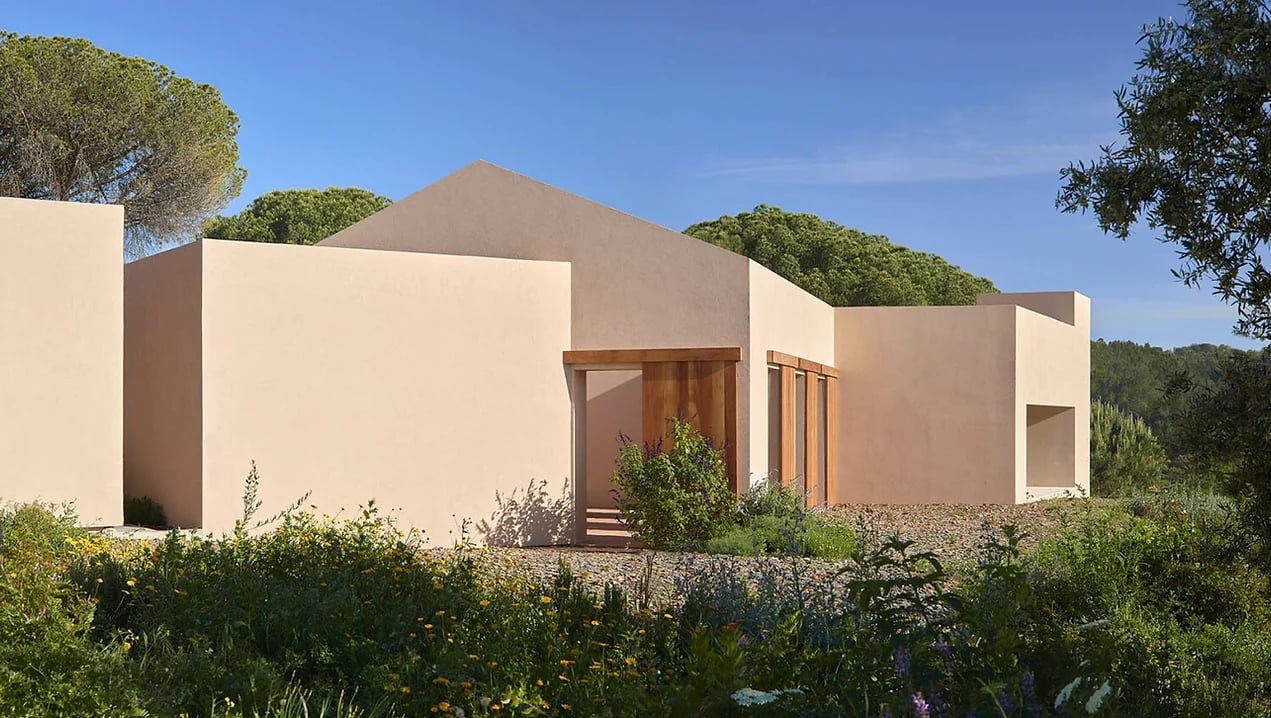
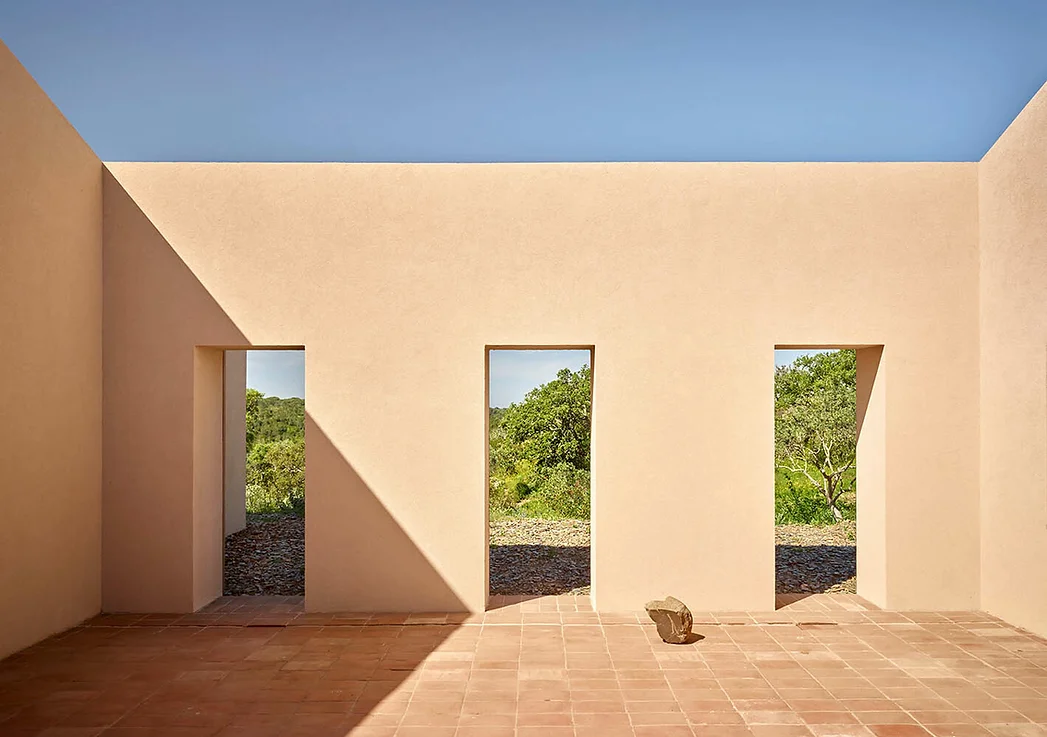
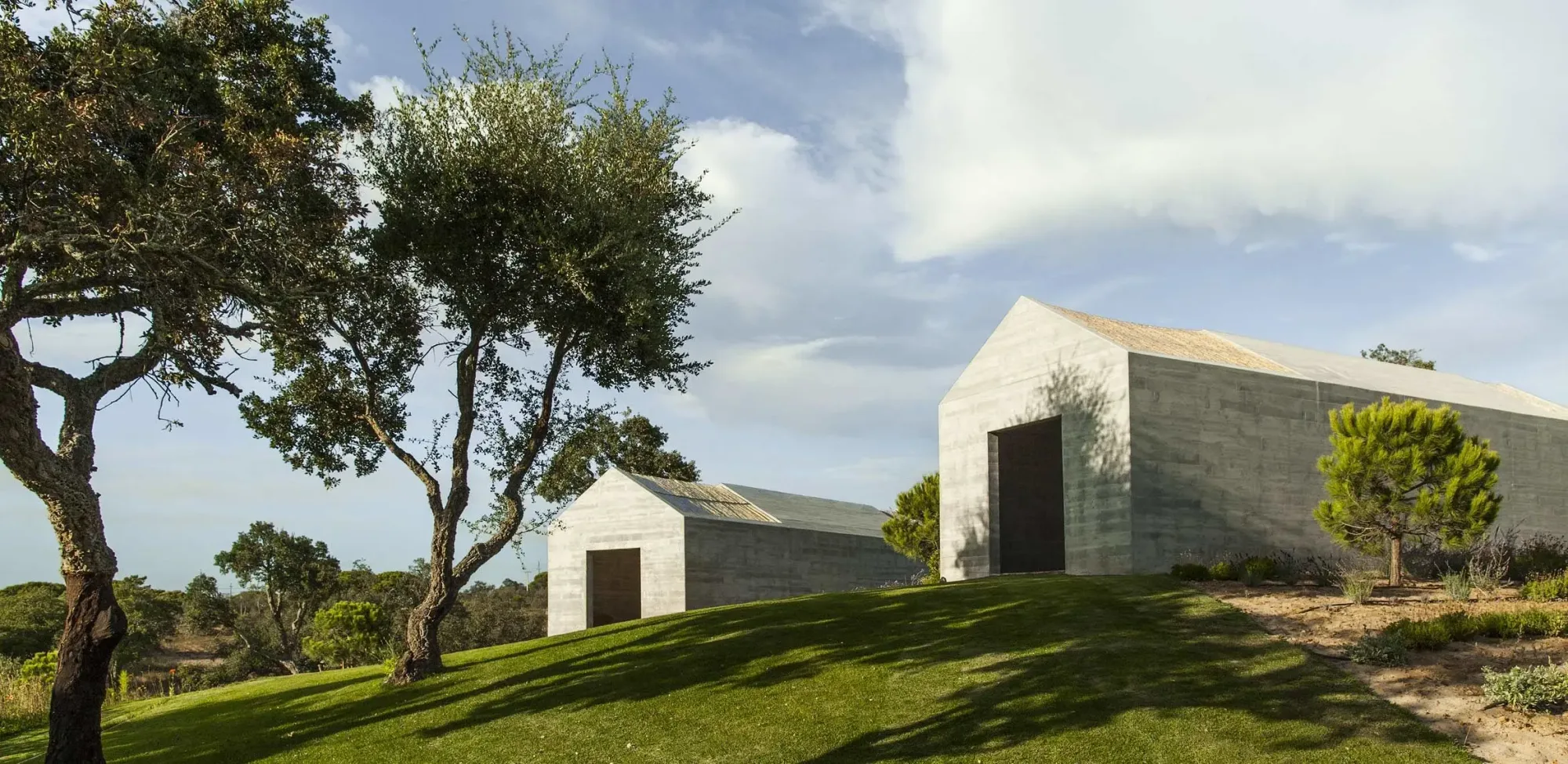
Half an hour south, Melides is what Comporta was described as being fifteen years ago, with the significant difference that everyone now knows it. Christian Louboutin's hotel Vermelho put the village on the international map, and the architecture crowd followed for Pa.te.os, the Aires Mateus villas outside the village. The result is a place with a genuinely good hotel bar, a handful of restaurants, a lagoon, and not much else.

That is the appeal and also the warning. O Fadista, a few minutes from Vermelho, is the local restaurant and the one worth planning around. The beaches south of here — Galé-Fontainhas with its cliffs, and the near-deserted stretches at Brejos and Pinheirinho — are the most dramatic on this coast and the least easy to reach.

Come to Melides if the house you have booked is the reason for the trip and a quiet week is the objective. Come to Comporta if you want the option of dinner somewhere different each night without a thirty-minute drive.

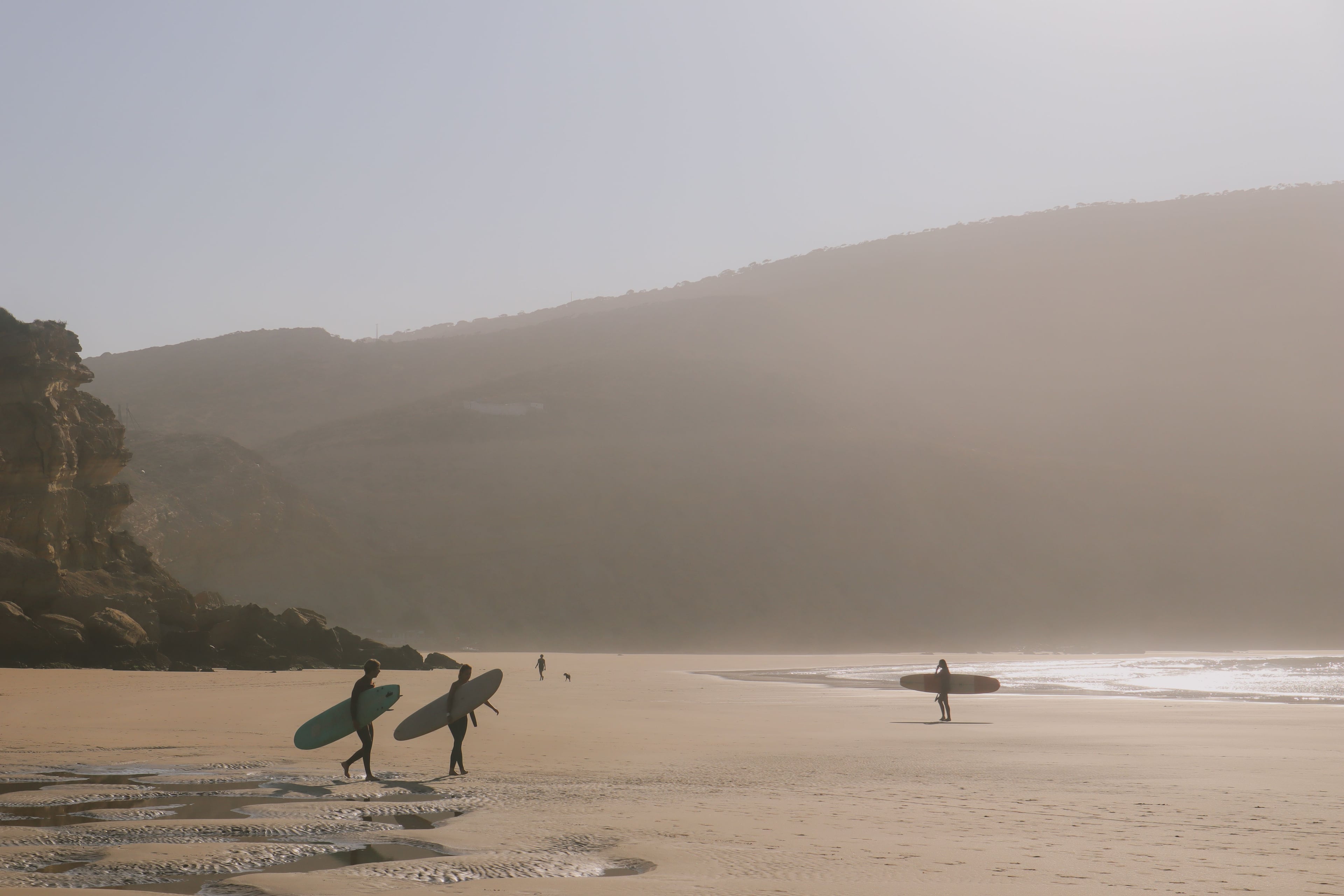
Surfers stamdomg pm a beach with glaring sun

Good to know

Book restaurants and beach club daybeds before you arrive in July and August; the better places fill days rather than hours ahead. Prices here are Lisbon prices or above, and there is no cheap grilled-fish alternative hiding behind the beach clubs, so budget accordingly.

Worth the detour: the stilted fishing pier at Carrasqueira, unlike anything else in Portugal, best in late light. Horse riding on the empty beaches south of Comporta is the local activity that consistently justifies itself. The storks nesting along the rice fields in spring and early summer are a genuine spectacle and cost nothing.

The village supermarkets cover basics; for anything specific, stock up in Lisbon or Grândola on the way in. Sandy tracks and low-slung hire cars are a recurring and avoidable problem.

Stay in Comporta & Melides

Your questions, answered