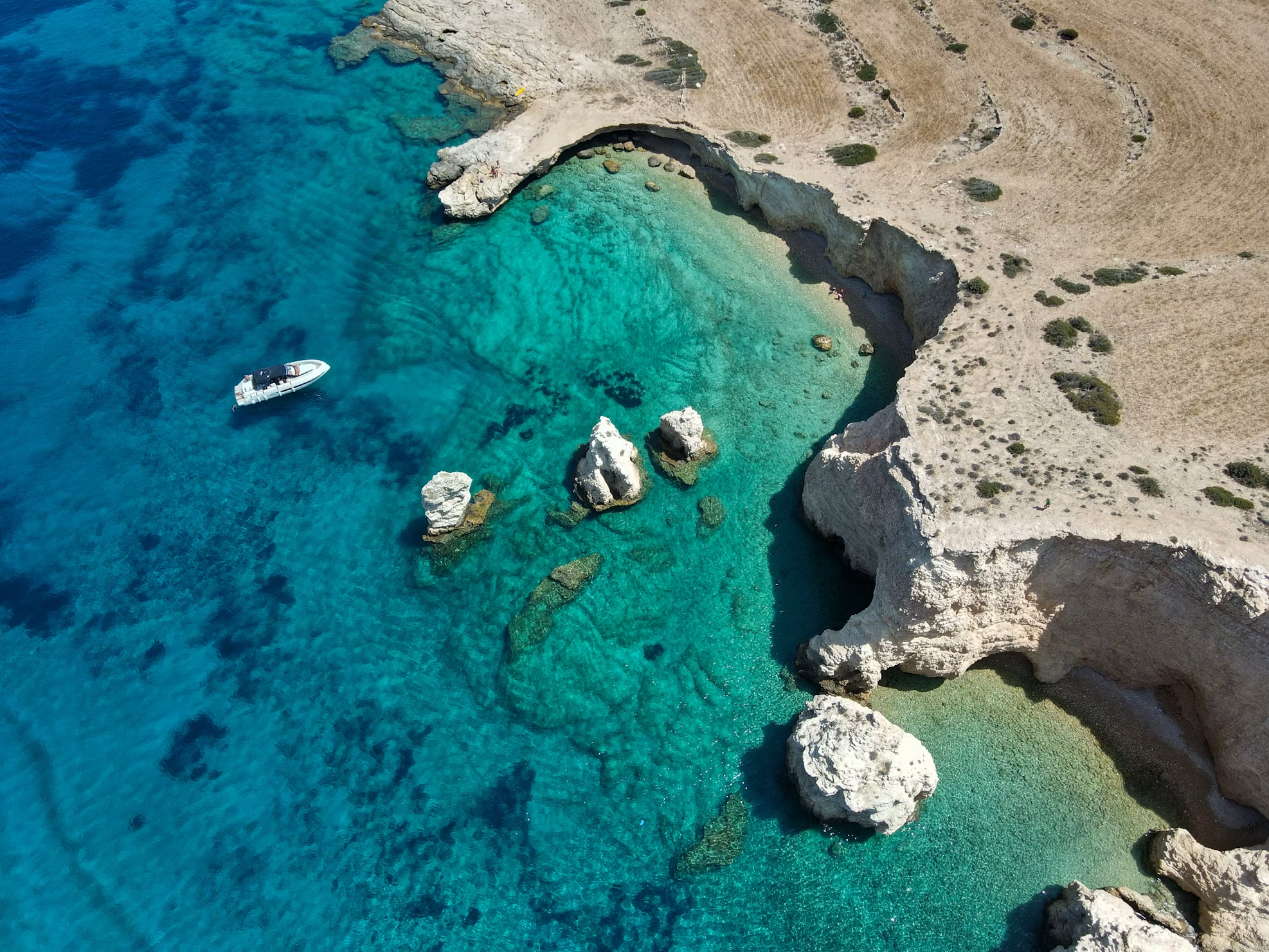
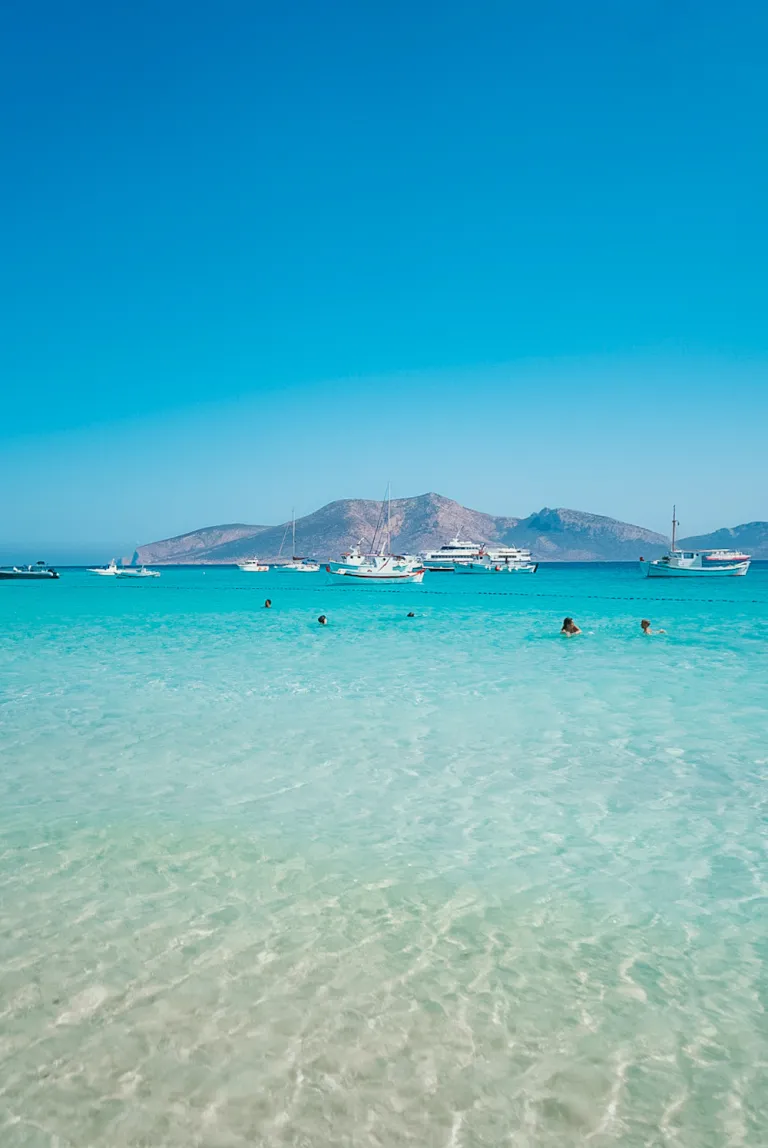
Koufonisia suits people who want the water Mykonos is famous for without the version of Mykonos that comes with it. The island has no airport, no rental cars, and until recently no reason for anyone to pass through who wasn't already headed there. That isolation is the whole point. If you want beach clubs and a marina full of yachts, this is the wrong island. If you want to walk barefoot from a fish taverna to a swim in turquoise water in under ten minutes, it is close to the only one left. Our houses in Koufonisia are listed below.
Koufonisia
When to go
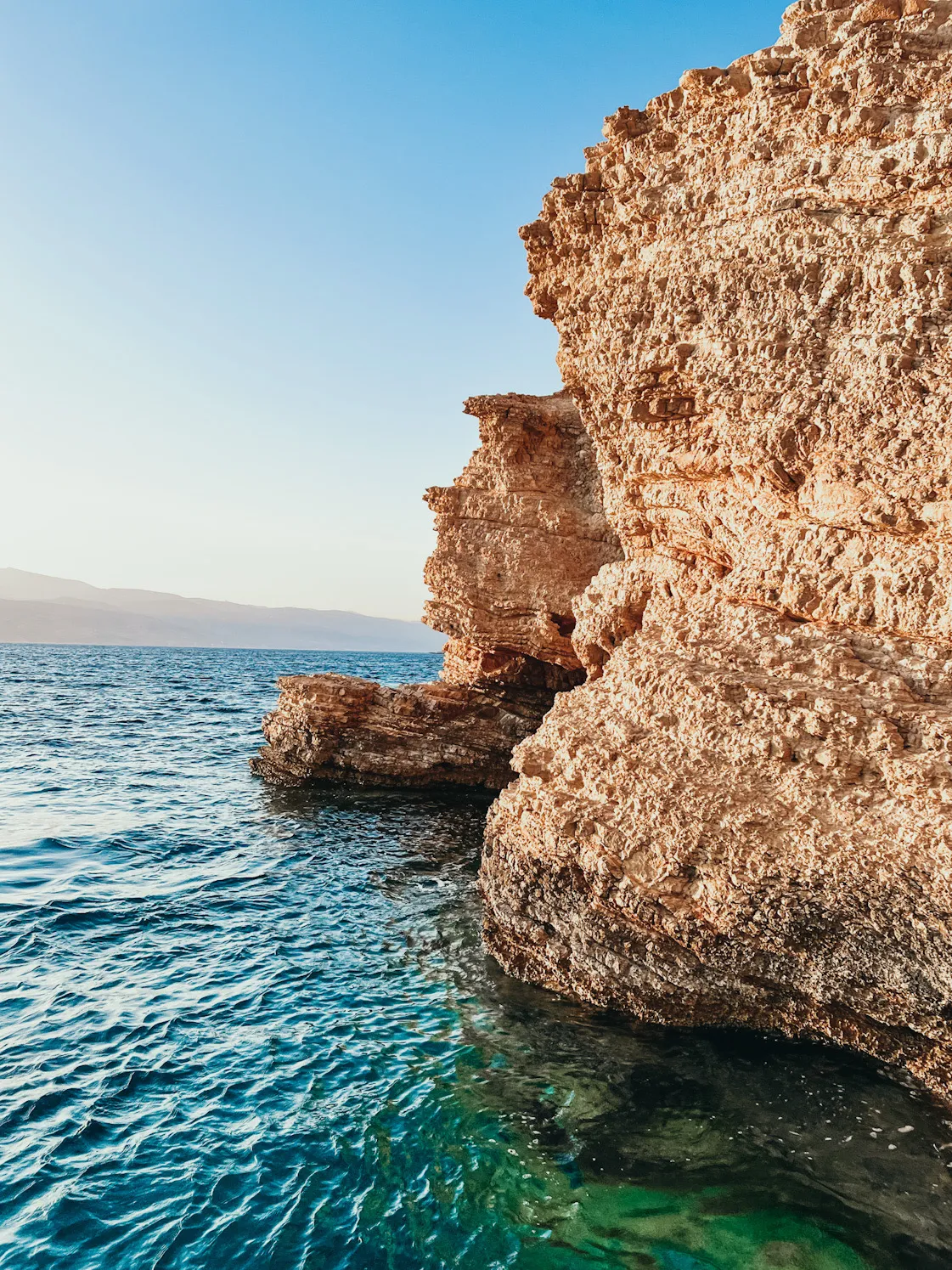
The season here is short and the island is honest about it. Most tavernas and rooms open in May and close by mid-October; outside that window, plan around Athens or another base instead.
June is the value window: the sea has warmed, the light is long, and the island hasn't filled yet. July and August are genuinely busy for a place this size, a fishing village of roughly four hundred residents absorbing a summer population many times that. The main beaches fill by mid-morning in peak weeks. September, particularly its second half, gives back what August takes away: the same water, calmer streets, and a taverna table without a wait. The Fishermen's Festival in late June is worth timing a visit around if you want the island at its most local.
Getting there
There is no airport, and that is not an oversight. Fly to Athens, or in season directly to Mykonos or Santorini, then finish the journey by sea.
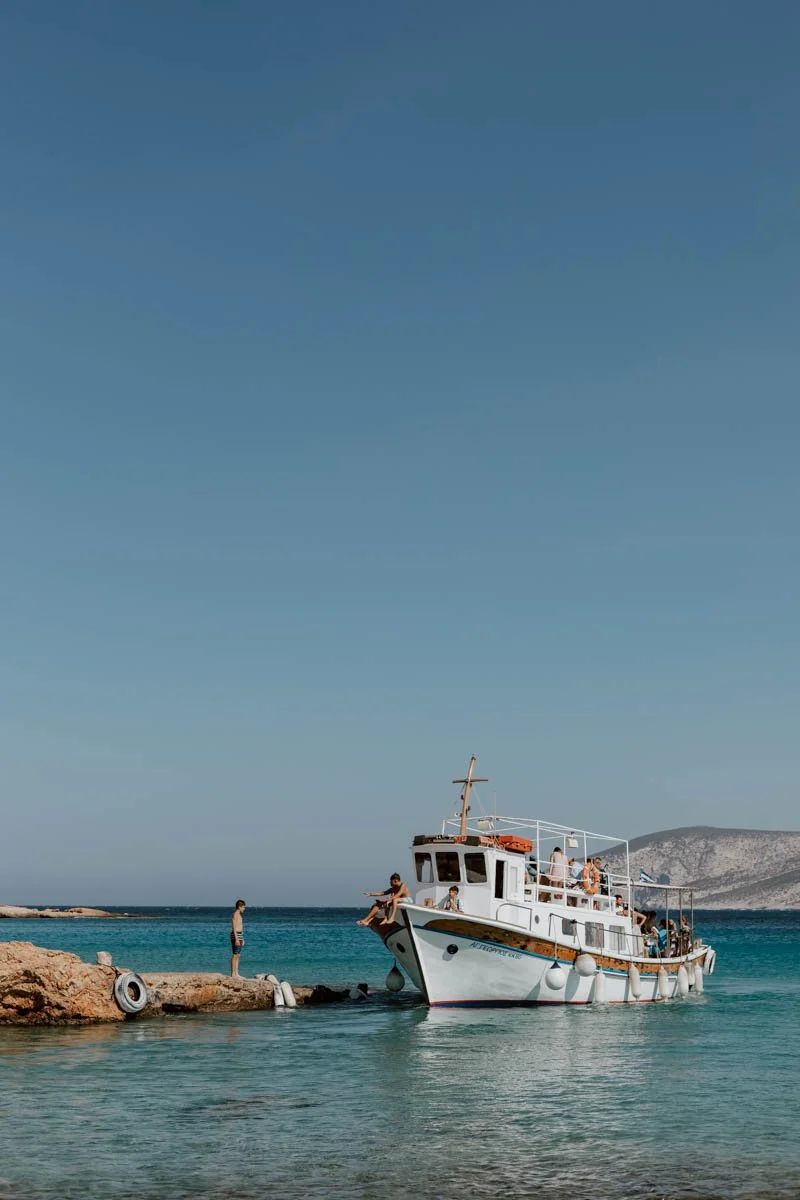
The fastest route is via Naxos: a short domestic hop from Athens, then a high-speed ferry of around forty minutes, landing you in Chora within two hours of touching down in Greece. The direct route from Piraeus is slower but has its own appeal, four to eight hours depending on the vessel, most of it on deck watching the Cyclades go by. The Express Skopelitis, a small ferry that has linked these islands since 1956, is the local way to arrive from Naxos or Amorgos and worth taking once for its own sake.
Once you're here, you won't need a car. There isn't one to rent. The island is small enough to walk end to end, a bike covers the rest, and a local boat, the lantza, shuttles to the beaches you'd rather not walk to with bags.
Eating
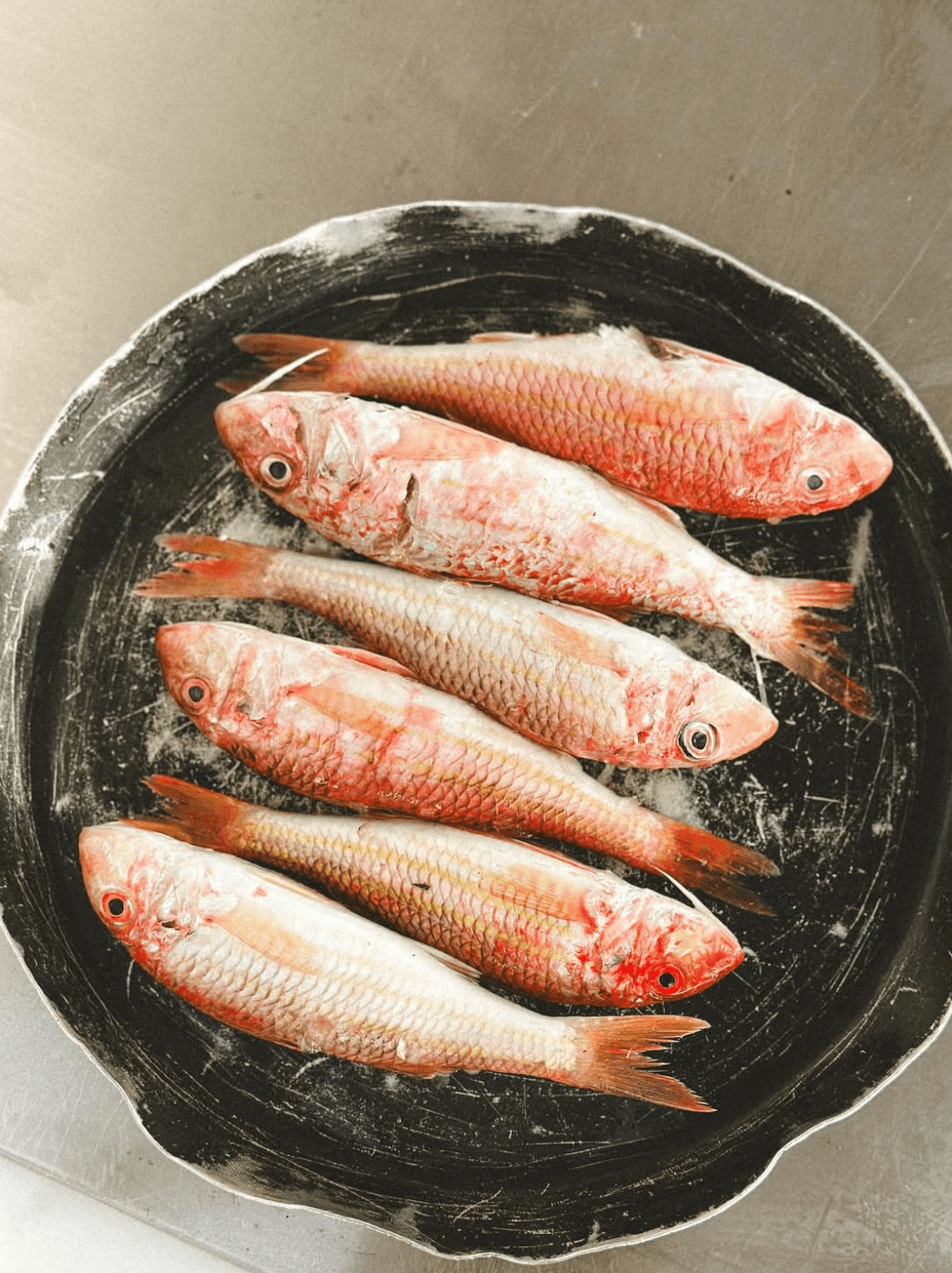
Koufonisia has the largest fishing fleet in Greece per capita for an island this size, and the kitchens make the case for it. Book ahead in July and August; outside those weeks, a walk-in is usually fine.
Capetan Nikolas, on the water in Chora, is the island's most established fish taverna: tables spilling onto the dock, the catch often only hours old. Melissa is the oldest taverna on the island and cooks accordingly, goat stew and octopus stifado rather than anything chasing a trend. Michalios stands apart as the meat option, raising its own livestock on Kato Koufonisi and neighbouring Keros. For something more composed, Mikres Cyclades and Tzet both sit at the newer, sharper end of the island's food scene, the latter built around wood-fired pizza and a proper wine list.
Out on the beaches, Kalofego at Pori is worth the walk for lunch, and Venetsanos on Kato Koufonisi is the reason to build a whole day around the boat trip across.
Beyond the beaches
The beaches are the reason people come and they hold up under the reputation. Pori, roughly a forty-five-minute walk or a short bus ride from Chora, is the one most guests build a day around. Finikas and Fanos are closer in and easier with children. Ammos, beside the port itself, is the least dramatic but the most convenient, and the only one with reliable shade.
A day trip to Kato Koufonisi is close to obligatory: a short boat ride across the strait to an island with one taverna, some of the region's best swimming coves, and no other visible development. Bring supplies if you plan to stay past lunch. The Ksylompatis caves and the natural rock pools on Ano Koufonisi are worth the walk on a quieter day, and a slow circuit of Chora at midday, when everyone else is on a beach, is the best way to see the village's whitewashed streets without anyone else in the frame.
Good to know
Book accommodation and, in peak weeks, dinner tables well ahead; the island's size means demand outstrips supply fast in July and August. There is one supermarket and a handful of bakeries in Chora for provisions, and a single fuel station for anyone bringing a scooter. Ferry schedules for the season are usually confirmed only by March, so hold travel dates loosely until then. Most of what the island offers closes for the winter, and the quiet that results is precisely what draws people back the following June.
Stay in Koufonisia
.webp&w=3840&q=85)
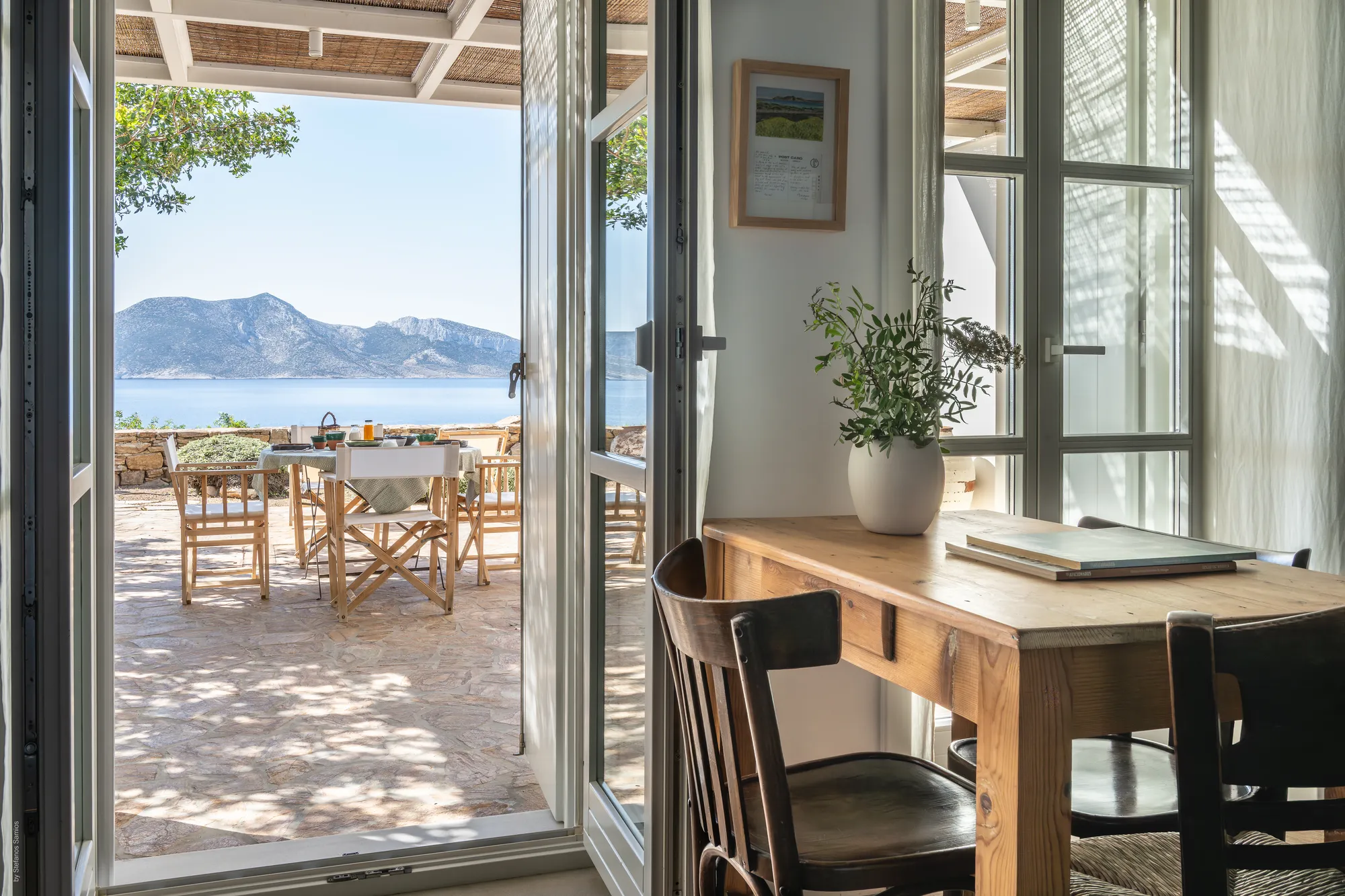
Koufonisia, Greece
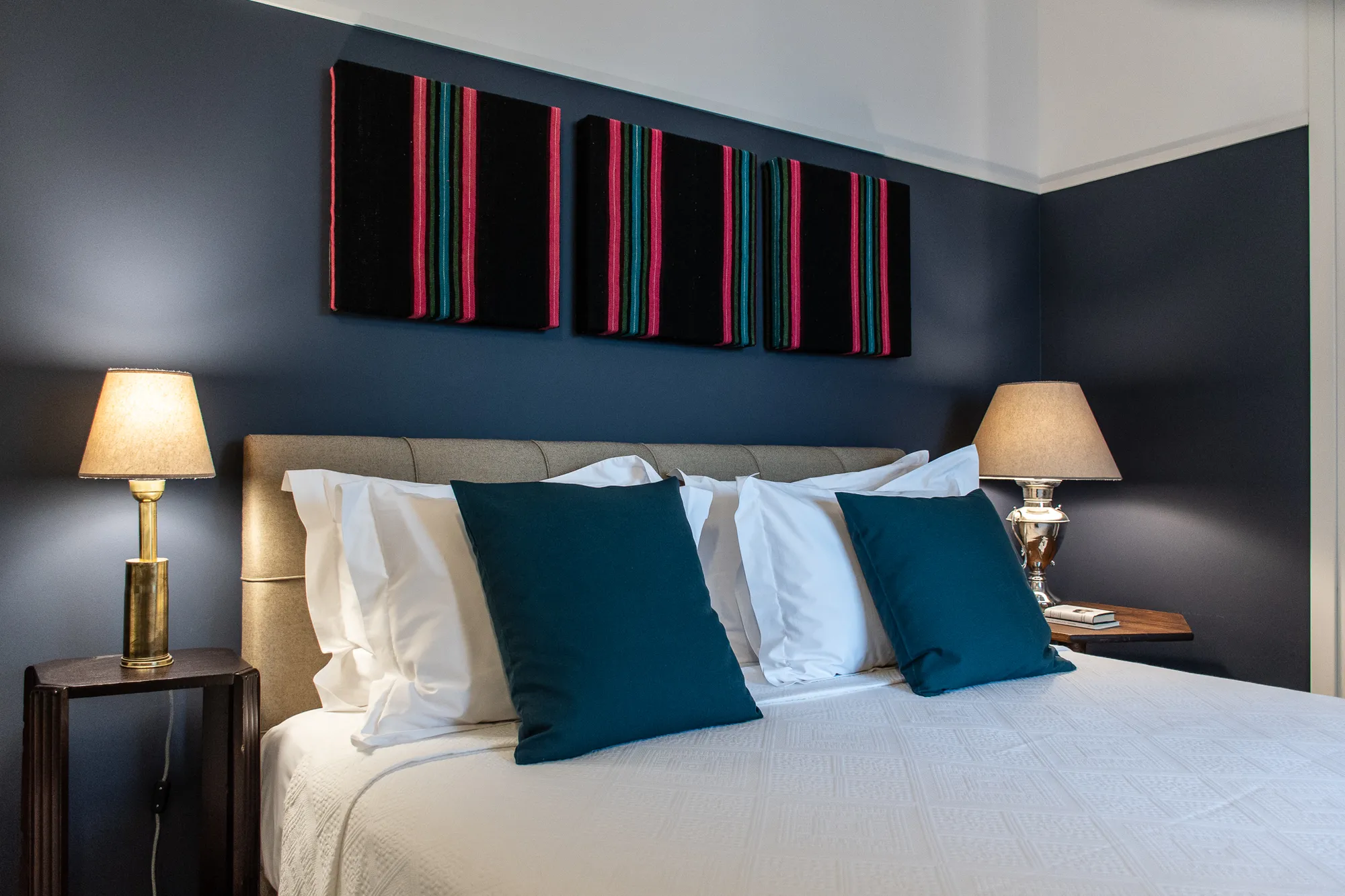
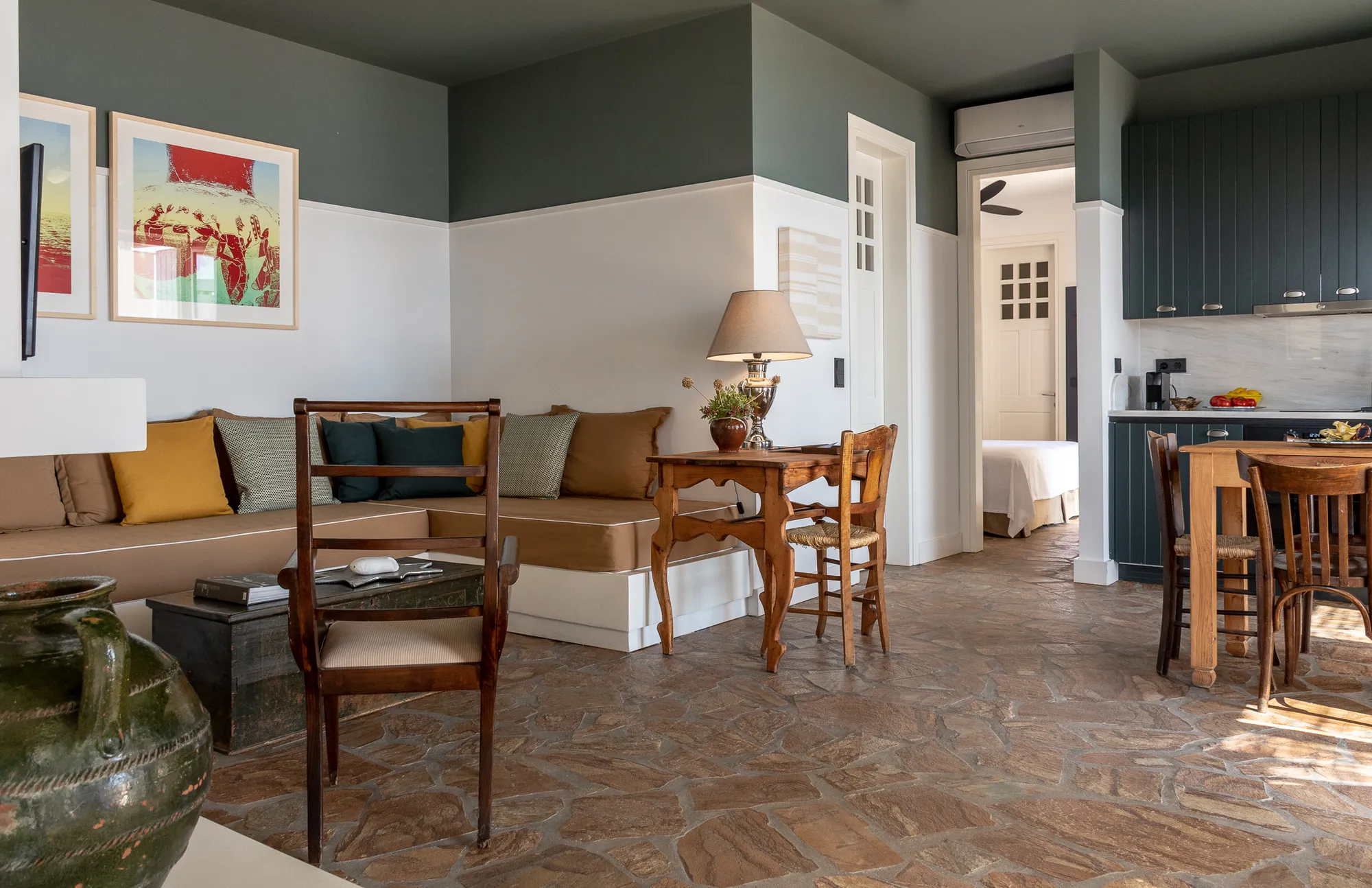
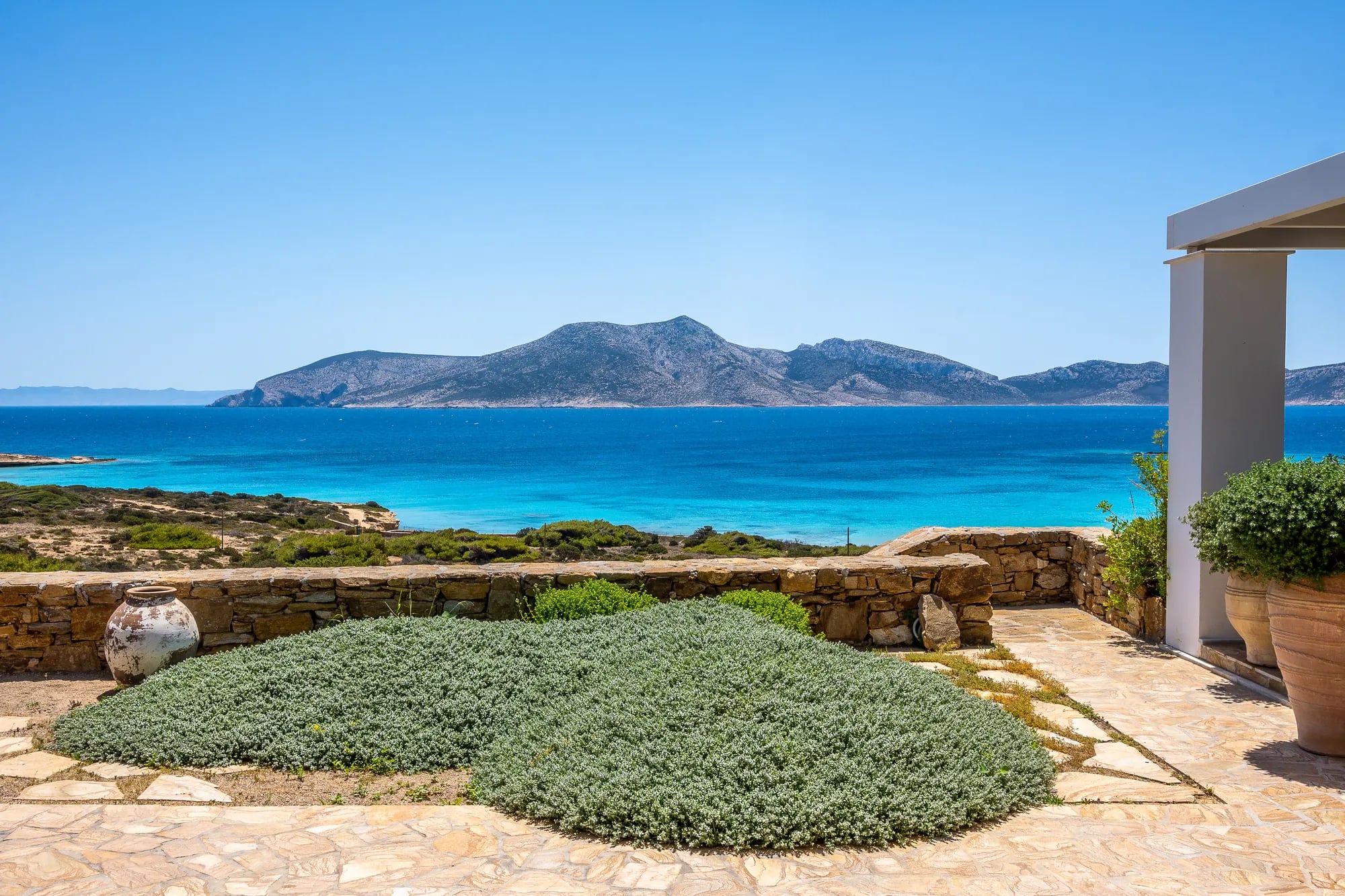
Rafter Koufonisia Ena
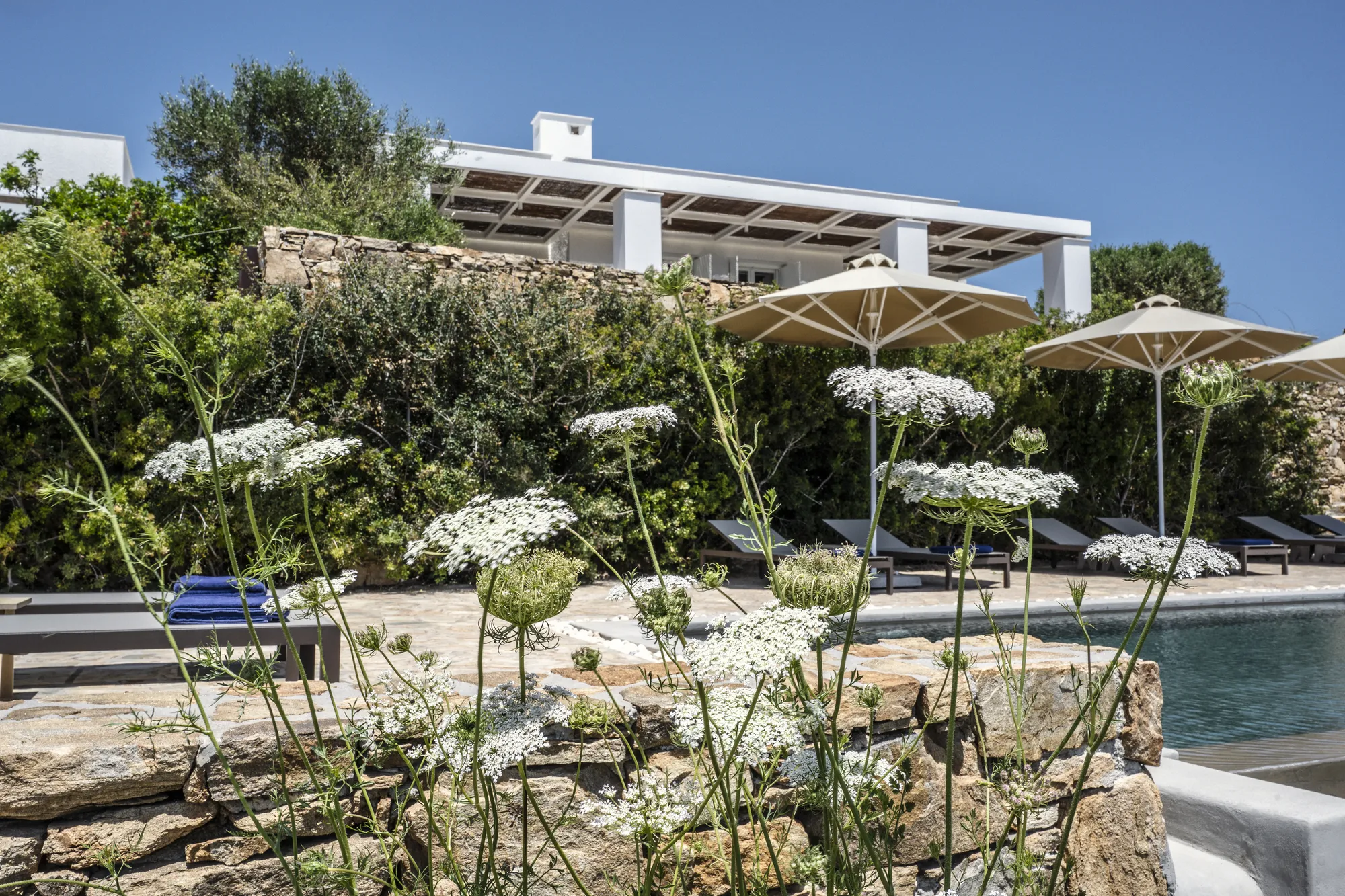
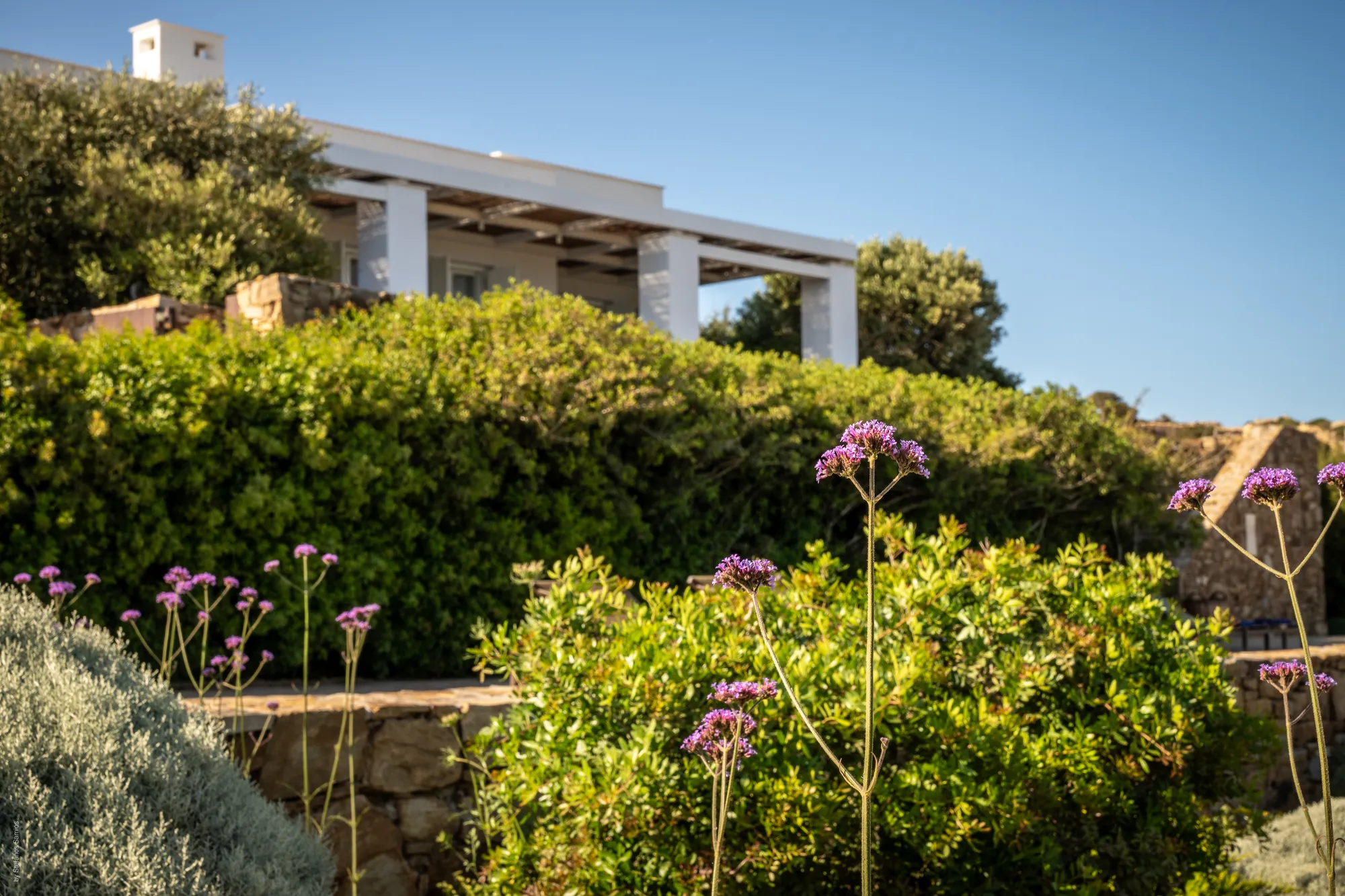
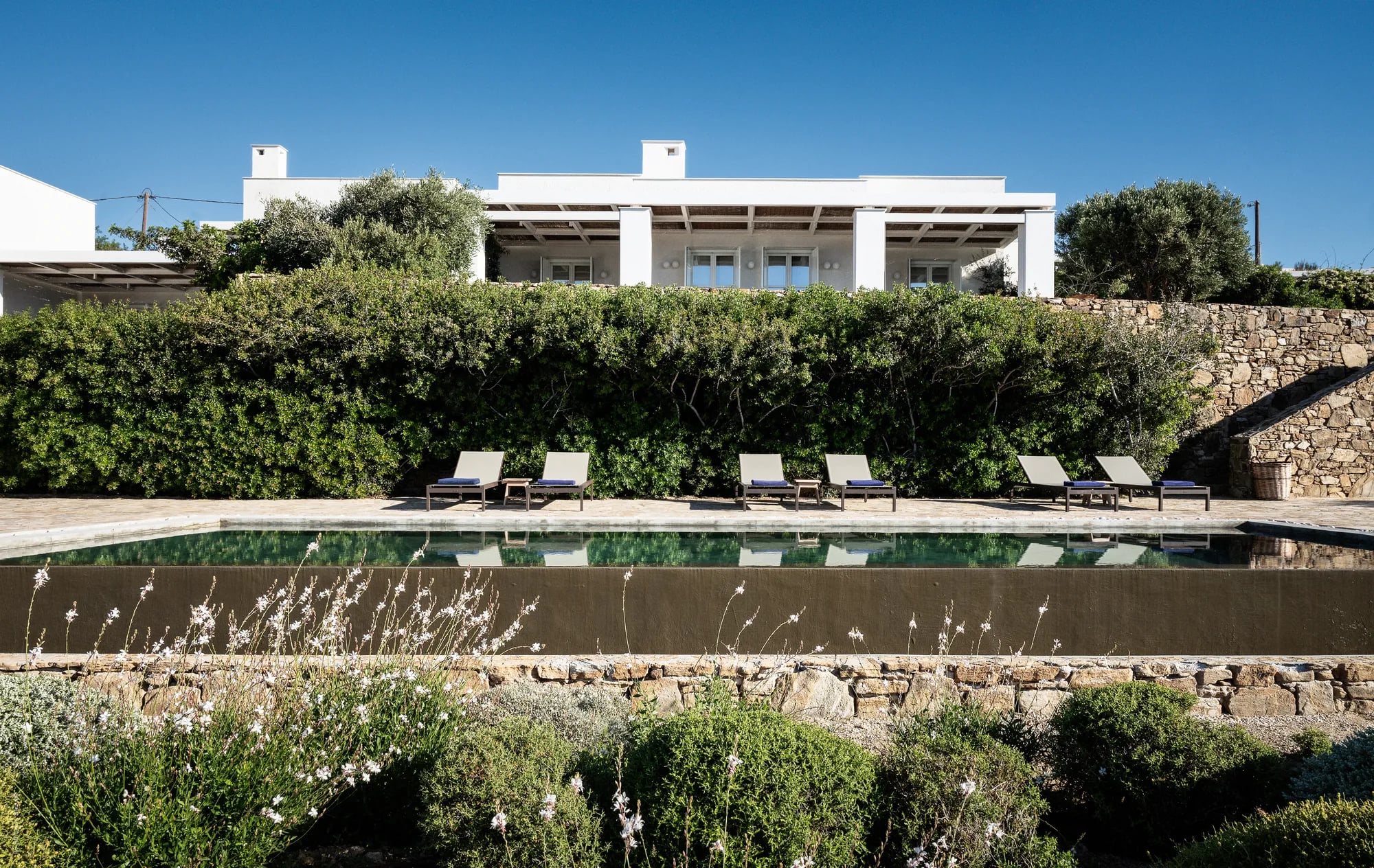
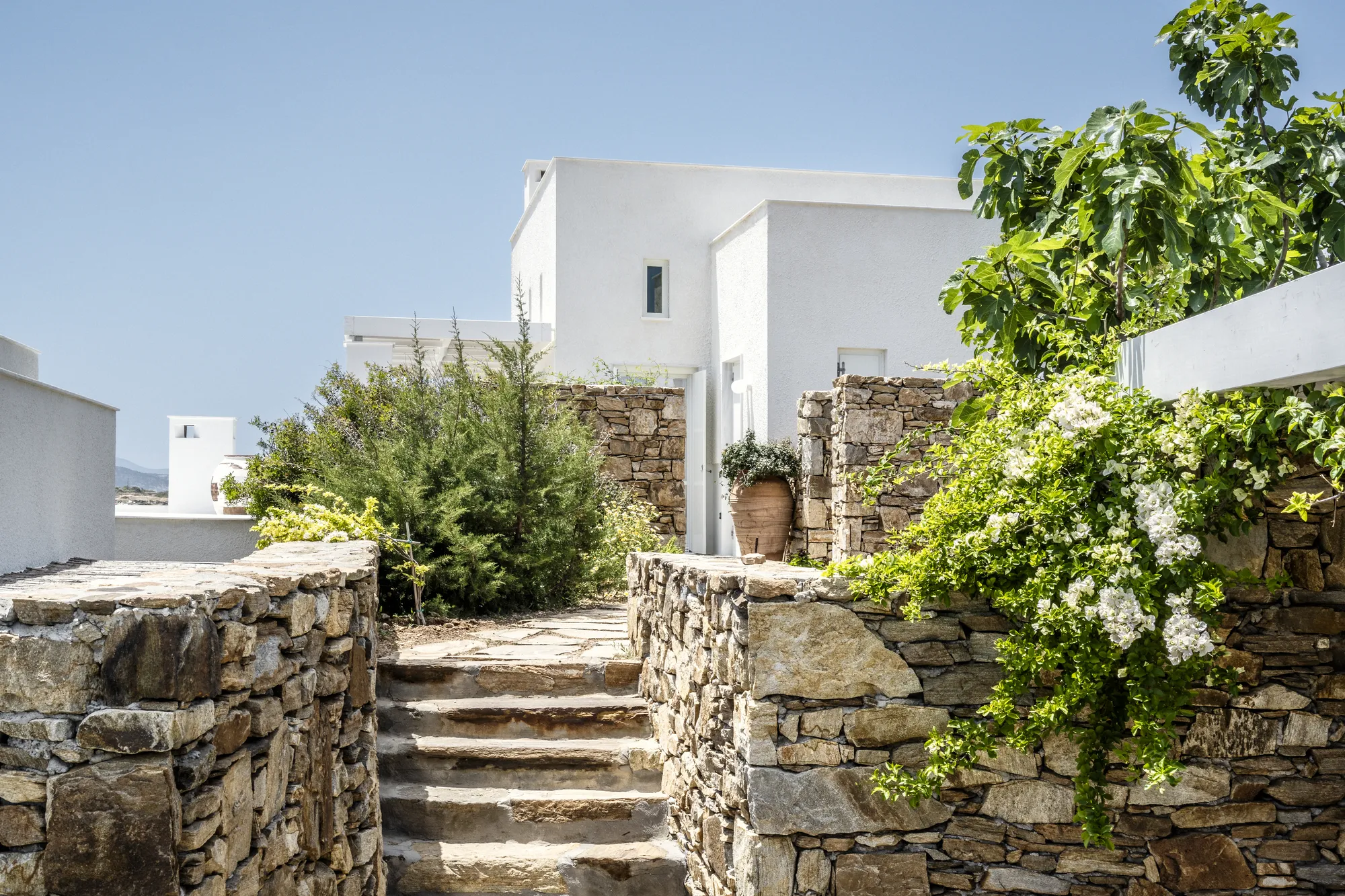
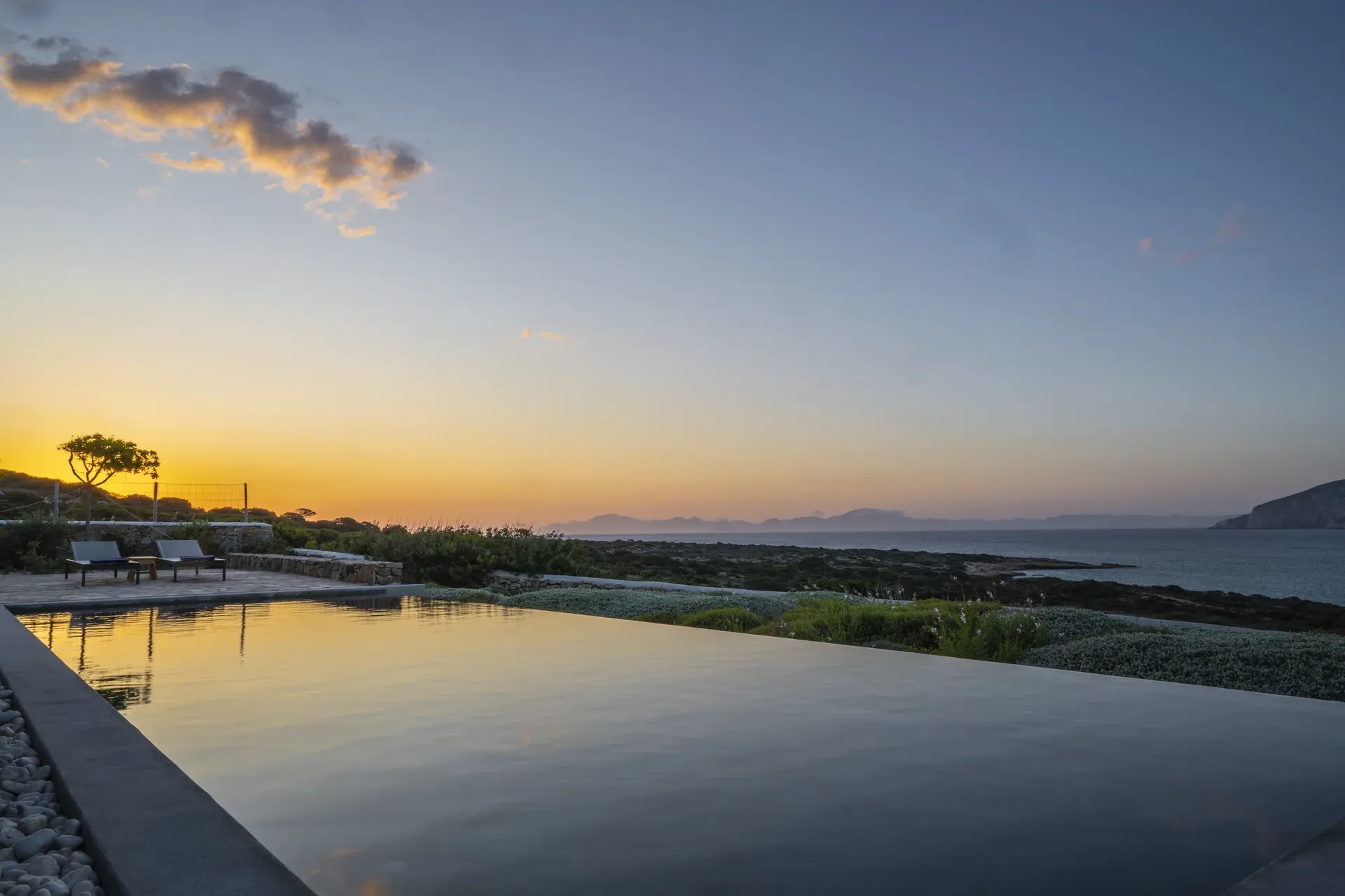
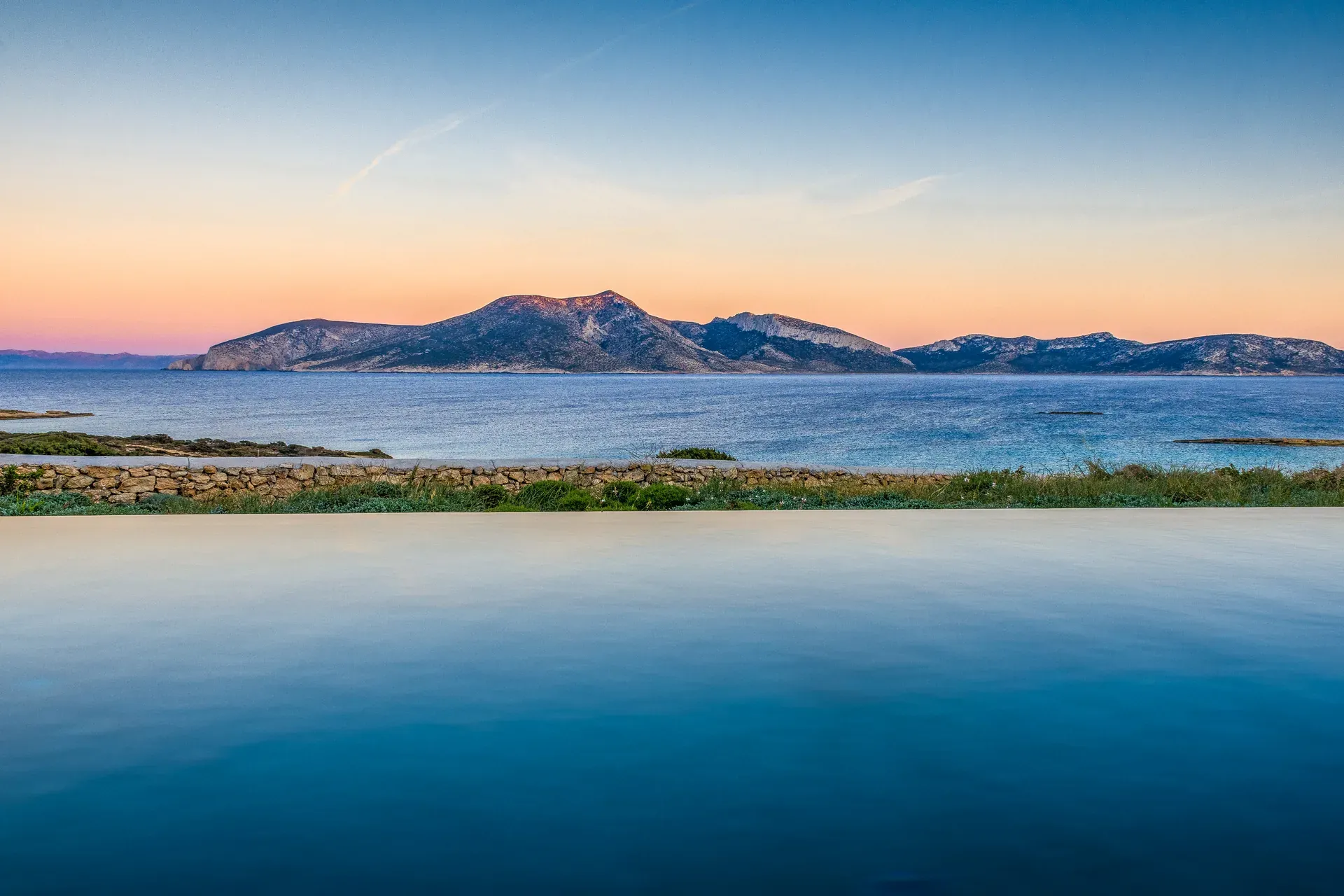
Light-filled living spaces with wooden table and private terrace offering views over Keros and the Aegean sea. Part of the Rafter Koufonisia collection with shared infinity pool and yoga pavilion. Can be combined with other houses for larger groups.
4 guests
2 beds
2 baths
.webp&w=3840&q=85)
.webp&w=3840&q=85)
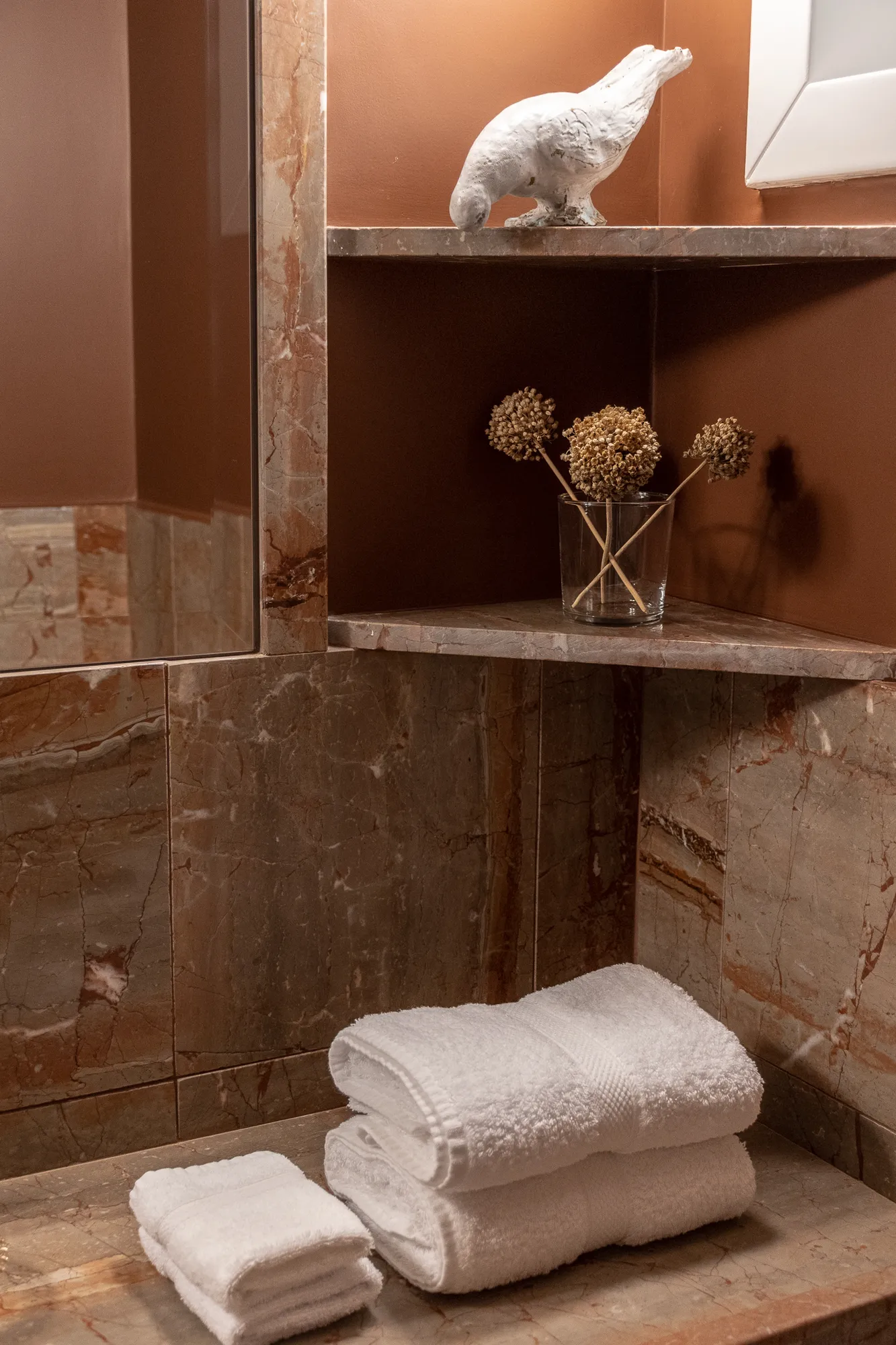
Koufonisia, Greece
Rafter Koufonisia Dyo
A serene haven built for deep relaxation with spacious rooms and marble-finished bathrooms overlooking Keros. Luxurious Simmons beds and a generous private terrace perfect for lounging or dining. Part of four homes that can be combined for larger gatherings. Shared infinity pool.
4 guests
2 beds
2 baths
.webp&w=3840&q=85)
.webp&w=3840&q=85)
.webp&w=3840&q=85)
.webp&w=3840&q=85)
.webp&w=3840&q=85)
.webp&w=3840&q=85)