Lech am Arlberg — holiday homes on Rafter

Lech am Arlberg

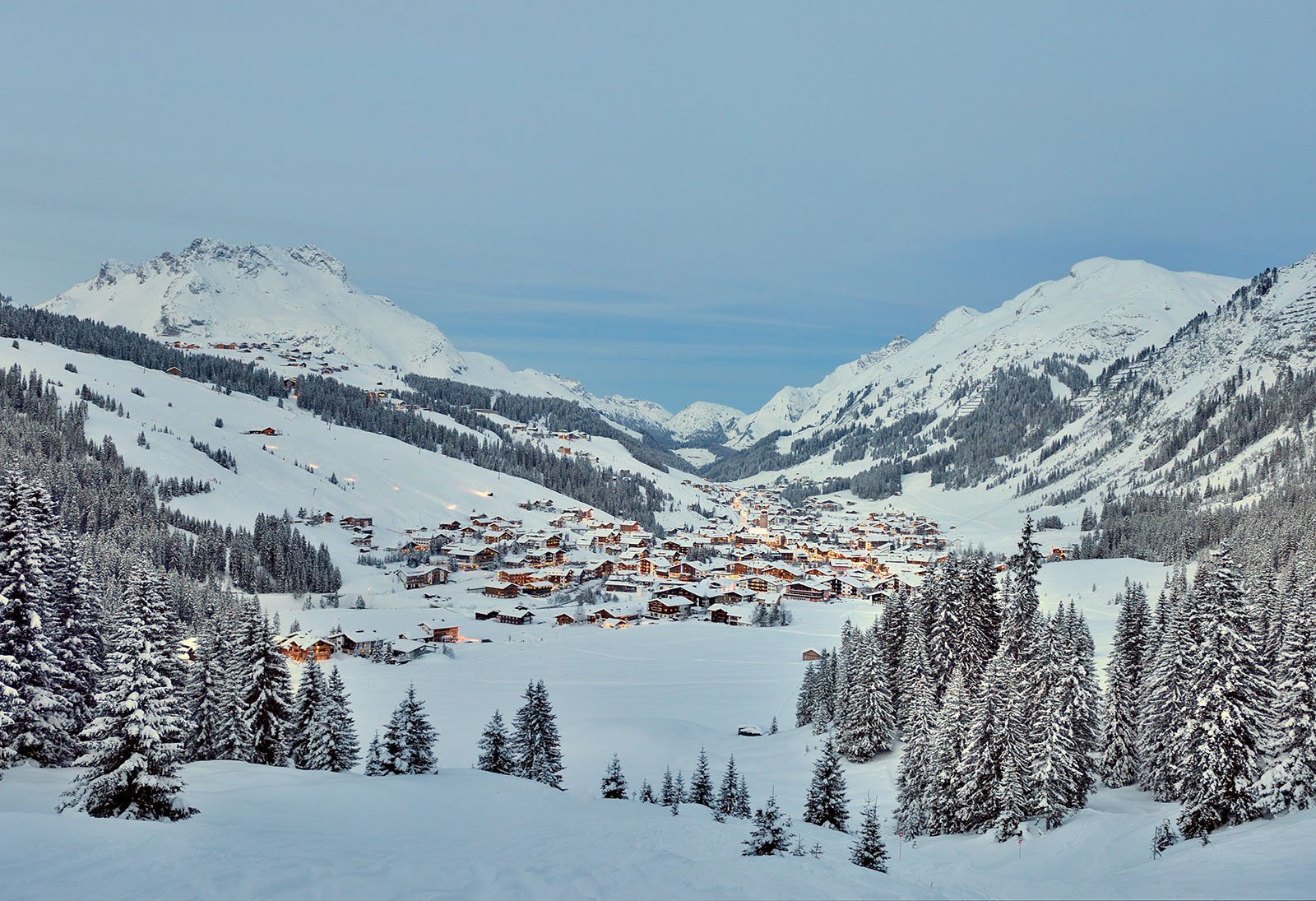
Lech suits people who want the Arlberg's terrain and snowfall without St. Anton's après scene. The village has capped its bed count and its day-visitor numbers for decades, which is why it still feels like a village. If you measure a ski holiday in vertical metres and long lunches, Lech is the right call. If you measure it in bars, book St. Anton down the valley instead.

Our family has run a hotel here since 1929, and before that farmed this valley since the Walser migration in the fifteenth century. What follows is what we tell our own guests. Our houses in Lech are listed below.

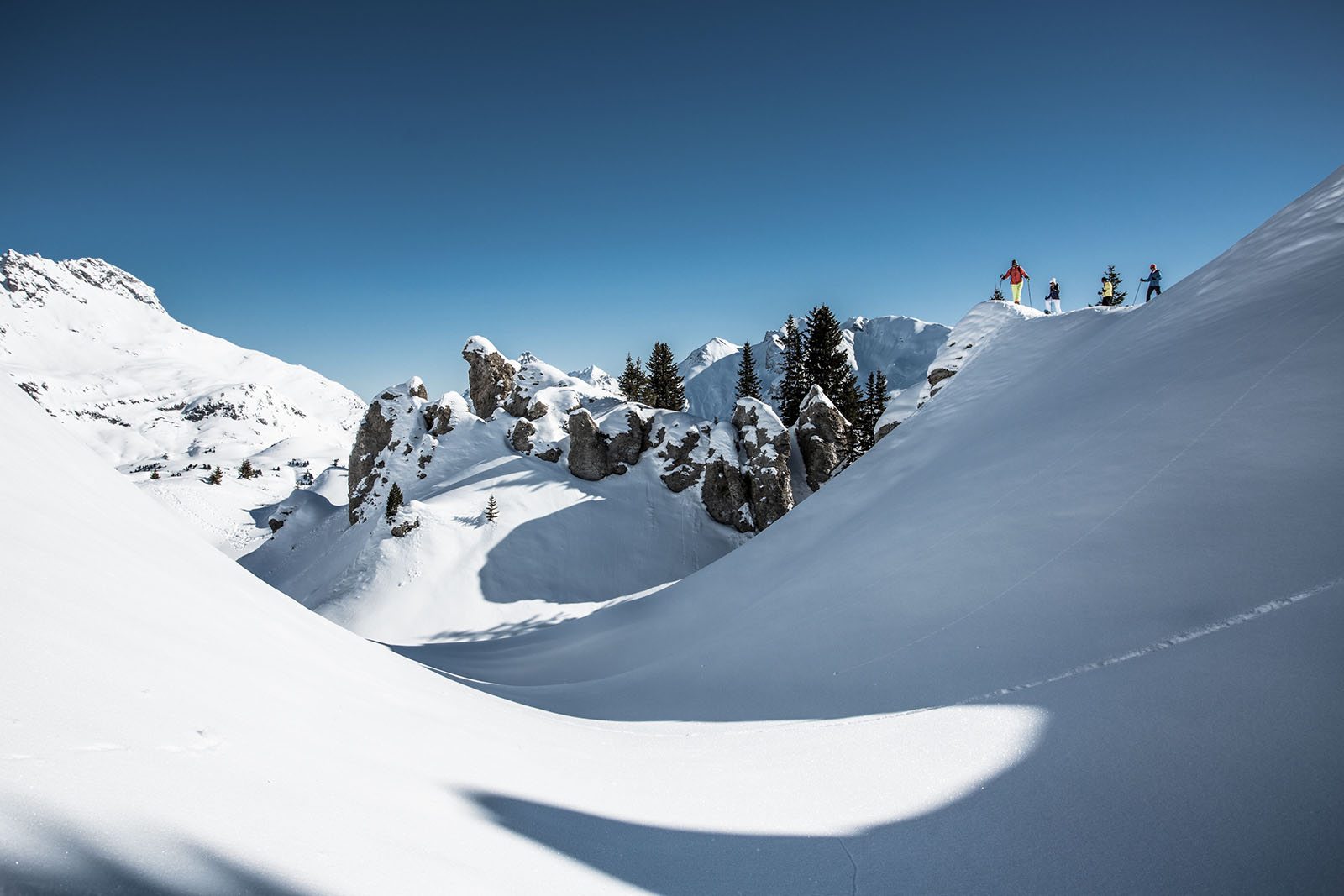
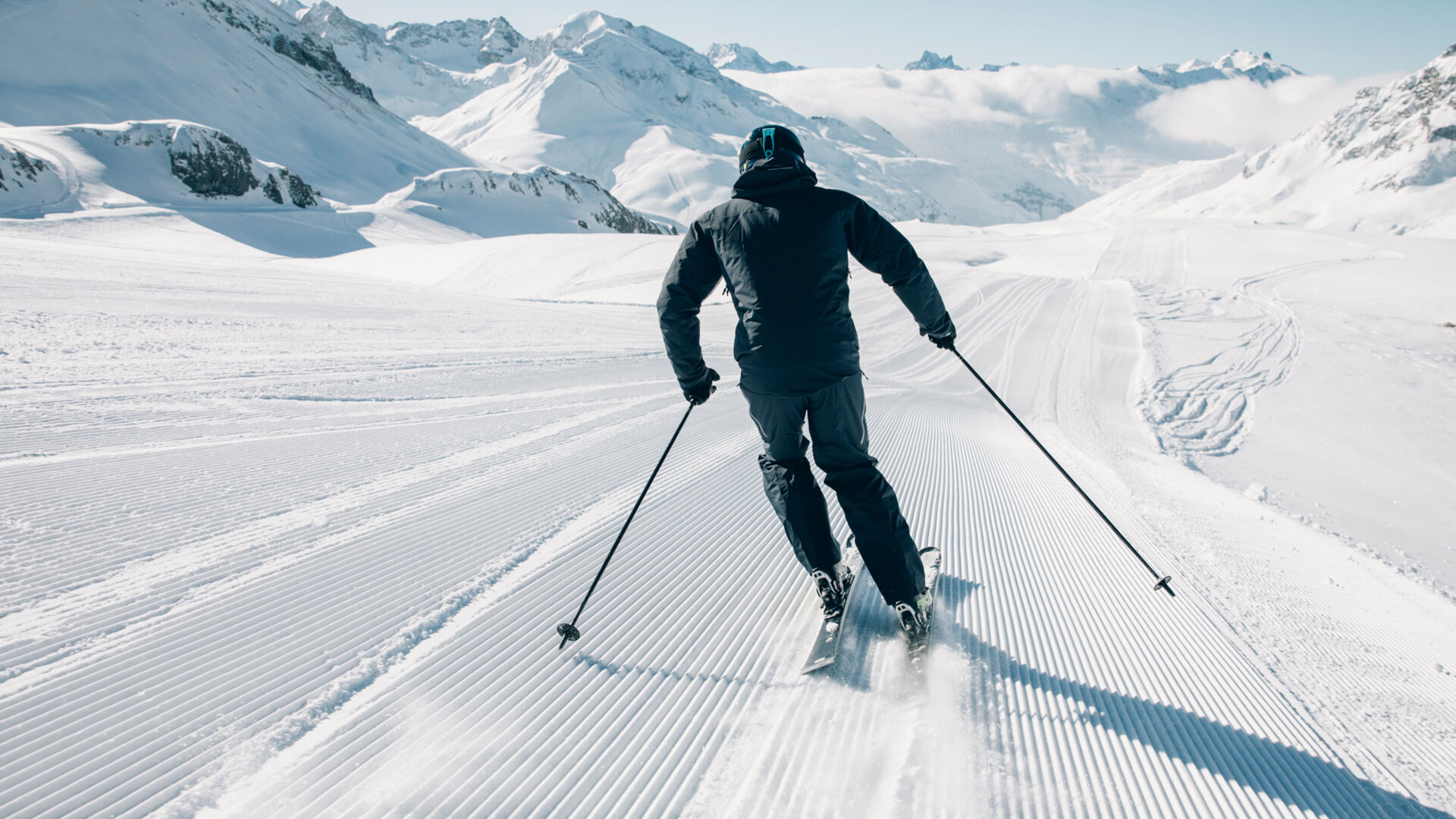
Skiers on the White Ring circuit above Lech in January

When to go

The lifts run from early December to late April, one of the longest seasons in Austria. At 1,444 metres, with the resort skiing up to 2,450, snow is rarely the question.

Christmas and New Year are the social peak. Book a year ahead and expect the village at its fullest. Mid-January is the insider window: deep cold snow, quiet pistes, and the White Ring race, when the 22-kilometre circuit around Lech, Zürs, Zug and Oberlech is raced in a single morning. February belongs to the half-term rotations, first the British, then the Germans and Dutch. March trades snow certainty for sun and is kinder to families with school-age children only in its final week. April is spring skiing: firm mornings, soft afternoons, empty slopes.

Summer, late June to mid-September, is a different and much quieter place, and has its own section further down. May and November are closed months. Most hotels shut, and so should your travel plans.

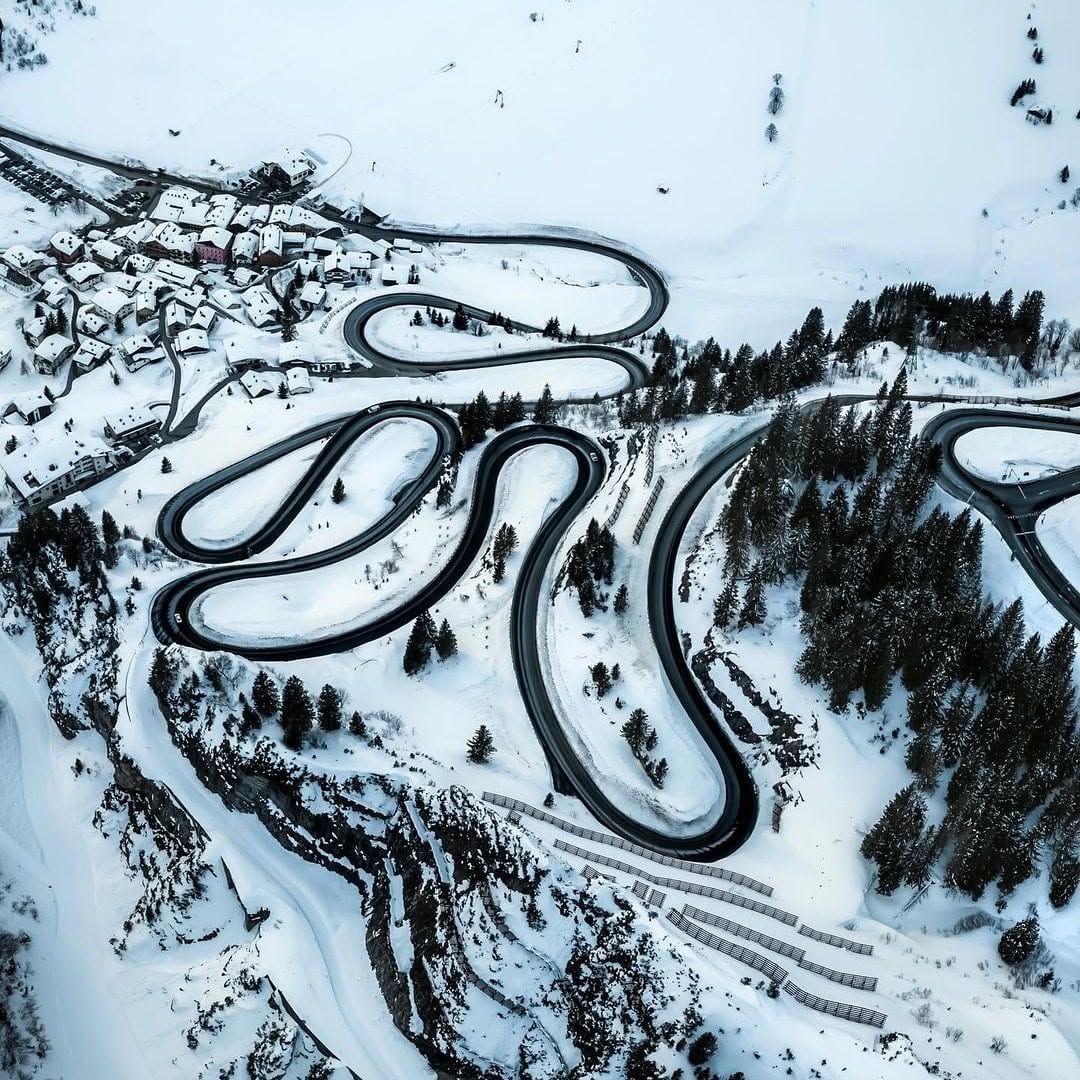
The Flexen road climbing towards Lech in winter

Getting there

Zurich is the sensible airport: 200 kilometres, about two and a half hours by car or transfer. Innsbruck is closer at ninety minutes but has fewer flights. Friedrichshafen and Munich work as alternatives at two and three-plus hours respectively.

The train deserves a real mention. The Railjet from Zurich stops at Langen am Arlberg, ninety minutes of lake and mountain, and from there it is a fifteen-minute taxi up the Flexen road. It is faster than it sounds and better than driving in snowfall.

You do not need a car in the village. The local bus is free with a guest card, taxis are reliable, and Oberlech is car-free entirely, reached by cable car with luggage moved through a service tunnel. If snow chains are not part of your life, keep it that way and book a transfer.

A Schnitzel on a dining table in Wunderkammer at Almhof Schneider

Eating

Book dinners before you arrive in peak weeks. This is not optional advice between Christmas and mid-February.

In the village, Hûs Nr. 8 serves Austrian classics in a low-ceilinged old farmhouse and is the right first-night dinner. Fux covers the evenings when the group cannot agree, half steakhouse, half Asian kitchen, with a serious wine cellar. Up in Oberlech, Griggeler Stuba at Burg Vital is the fine-dining bet.

The short drive to Zug is worth it twice. Rote Wand for fondue, an institution. And Klösterle, a seventeenth-century Walser house our family restored, where the cooking is open-fire and the menu is short. We are biased. Go anyway.

On the mountain, Rud-Alpe above the village does the long lunch properly, and Kriegeralpe is the rustic option worth planning a route around. For provisions, Backstube Lech bakes what our hotel serves, and Hagen's butchery has supplied the valley for generations. Chalet guests should order ahead for peak weeks.

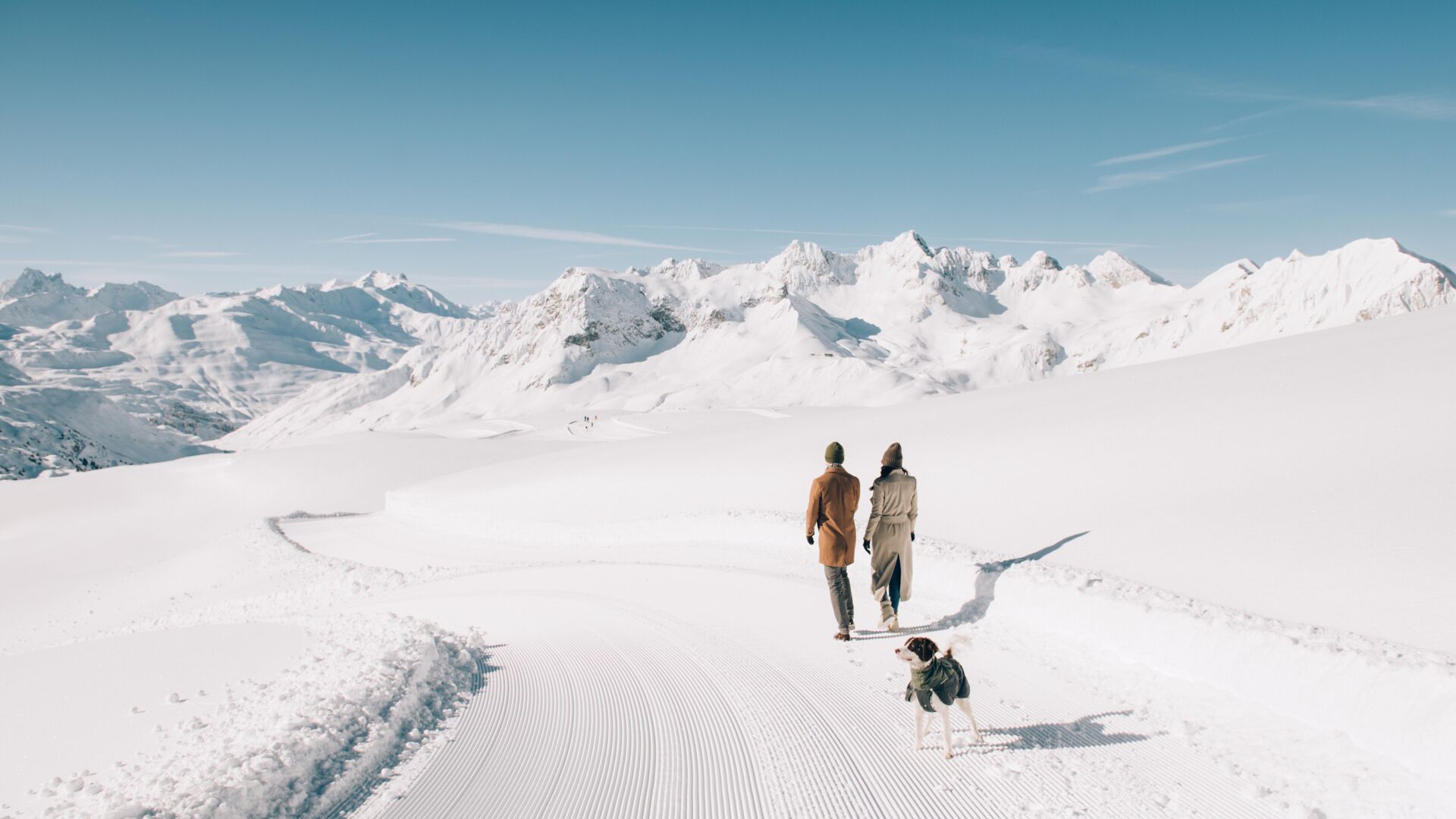
A groomed winter walking trail above Zürs

Beyond the pistes

Winter walking here is a real activity, not a consolation prize: around 40 kilometres of groomed trails, the best of them the high route from Oberlech towards the Kriegerhorn. Private ski instruction is worth arranging well in advance for peak weeks, and budget from about 400 euros a day for a private instructor or guide. Off-piste with a guide is the reason many of our guests return; the Arlberg's terrain and snowfall reward it like few places in the Alps.

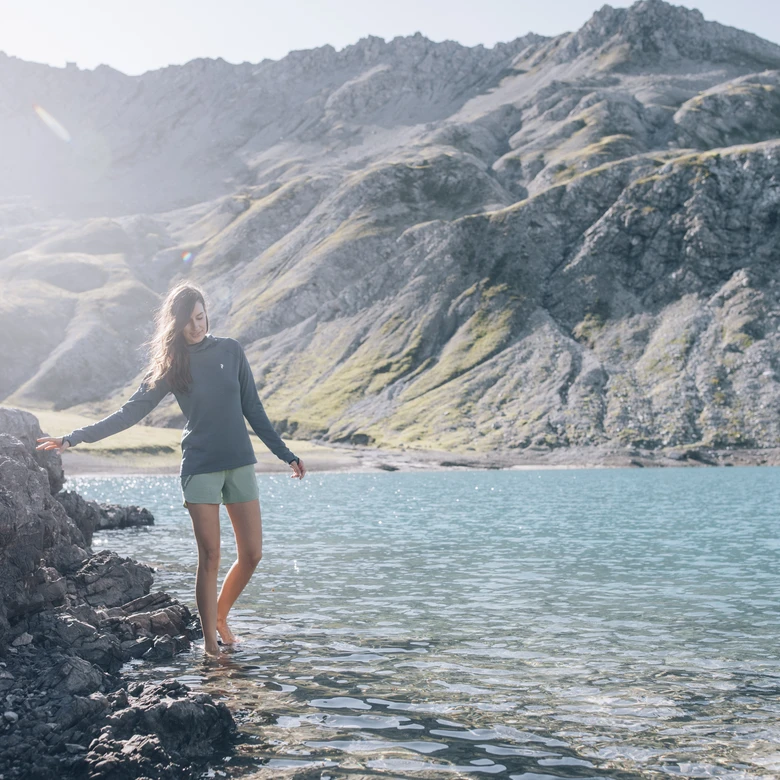
Formarinsee below the Rote Wand in summer

Summer in Lech

The lifts stop in late April and the village exhales. The summer season runs late June to mid-September, and it is a different place: a fraction of the winter's visitors, meadows where the pistes were, and a pace that makes the long lunch look hurried. People who only know Lech under snow tend not to believe the photographs.

This is walking country first. The Lechweg, the long-distance trail that follows the river to the Allgäu, starts at Formarinsee, once voted the most beautiful place in Austria and an easy day's outing even if you walk no further. The Green Ring is the summer counterpart to the White Ring, a three-day circuit above the village that can be broken into single days, and the guest card covers the summer lifts and the village buses, so height is cheap. Swim in the Zürsersee if you can bear the temperature.

Two fixtures shape the calendar. In late June the Arlberg Classic brings pre-war cars over the passes, and in September the Philosophicum fills the village with a week of lectures and a distinctly un-resort-like crowd. Book around both if you want quiet, or into them if you don't.

A practical note: fewer hotels and restaurants open in summer than in winter, so check before you count on a particular kitchen. The reward is that nothing needs booking weeks ahead. That alone tells you what season you are in.
Gipslöcher Lech

Good to know

Restaurants in peak season need booking weeks ahead, not days. The village Spar covers everyday groceries, and private chefs can be arranged with notice. Ski passes cover the whole Arlberg, and the ski bus and village bus are free. Shops close for a long lunch, which tells you most of what you need to know about the pace of the place.

Stay in Lech am Arlberg

Your questions, answered