Disappearance of the physical tokens of travel
As keys, tickets, and coins give way to a single screen, the sense of touch is quietly disappearing from how we experience a place.
By India Jones5 min read
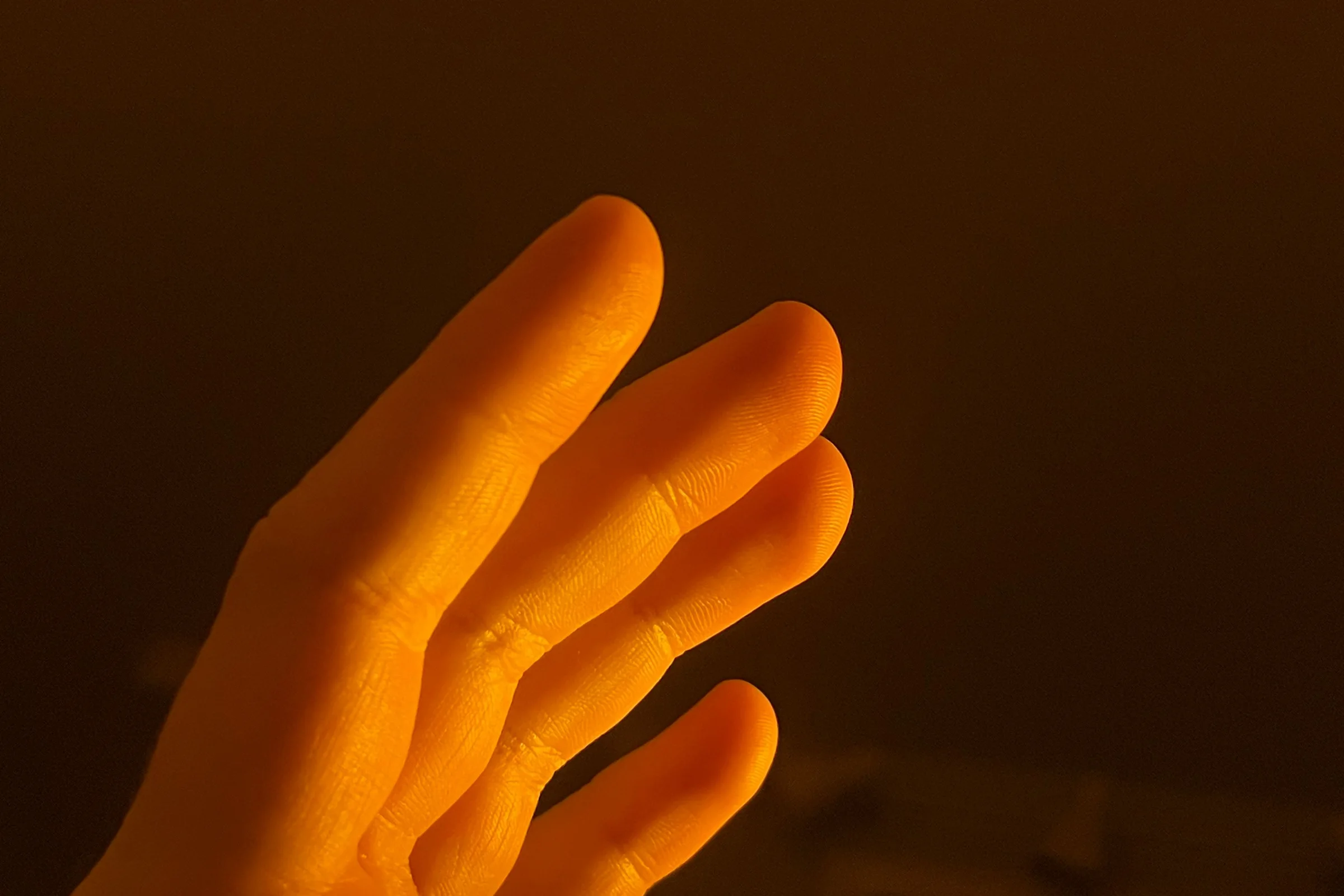
The smooth, worn metal of a hotel key, the punch of a train ticket, the tap on your shoulder as a tourist asks for directions. Familiar sensations, all of these, but ones that have quietly been disappearing as we continue further into the digital age.
In travel, there's no one thing we all look for: some seek rest, some adventure, others luxury, others remoteness. Generally, though, we look for something new, something we can't get at home, whether that's new sights, smells, tastes, or emotions. Those are the senses we tend to go searching for, though not the only ones that impact our experience of a place. As any good designer or social scientist will tell you, the way we experience and remember a place is holistic, and cannot be experienced fragmentarily. The smell of a meal entwines with the ambiance of the restaurant, with the sounds of the city, and the poise of the waiter. Missing in this mise-en-scène and oft overlooked, though, is our sense of touch.
Touch is the most direct form of interaction with our world: we hear through sound waves, see through light waves, and feel from within. Touch requires direct contact, though it's this sense that's least explicitly sought after, and consequently, least regarded, making its gradual disappearance least noticed.
To start, there are the most obvious physicalities we encounter less in travel. Instead of ticket stubs, we have mobile tickets, in the place of guidebooks, we have Google Maps. Toll tokens have become automated, passport stamps electronic, and cash, tap-to-pay. This is, in many ways, very convenient – we've managed to condense such a broad swath of disparate actions and objects into access from one primary device. Does this matter?
On its most basic level, we lose the sensory experience of touch, the concrete tether to our environs. This eliminates a whole means of experiencing the world around us – it's one fewer way the world around is actualized and processed.
Another aspect of digitization is that this streamlining homogenizes our experience of a new place, both in terms of routine (we don't have to figure out a new currency's coin denominations if we can just tap our phone) and in terms of tactility (the smooth, plastic key card from a hotel in Korea is no different from a key card in our home country). Even though this is still a physical object, it slots in with the other cards in our wallet, assimilating itself into our lives as something familiar, no longer something unique to be figured out and paid attention to. Not only does it make scrapbooking less interesting, but this homogenization impedes the novelty we're seeking out in travel.
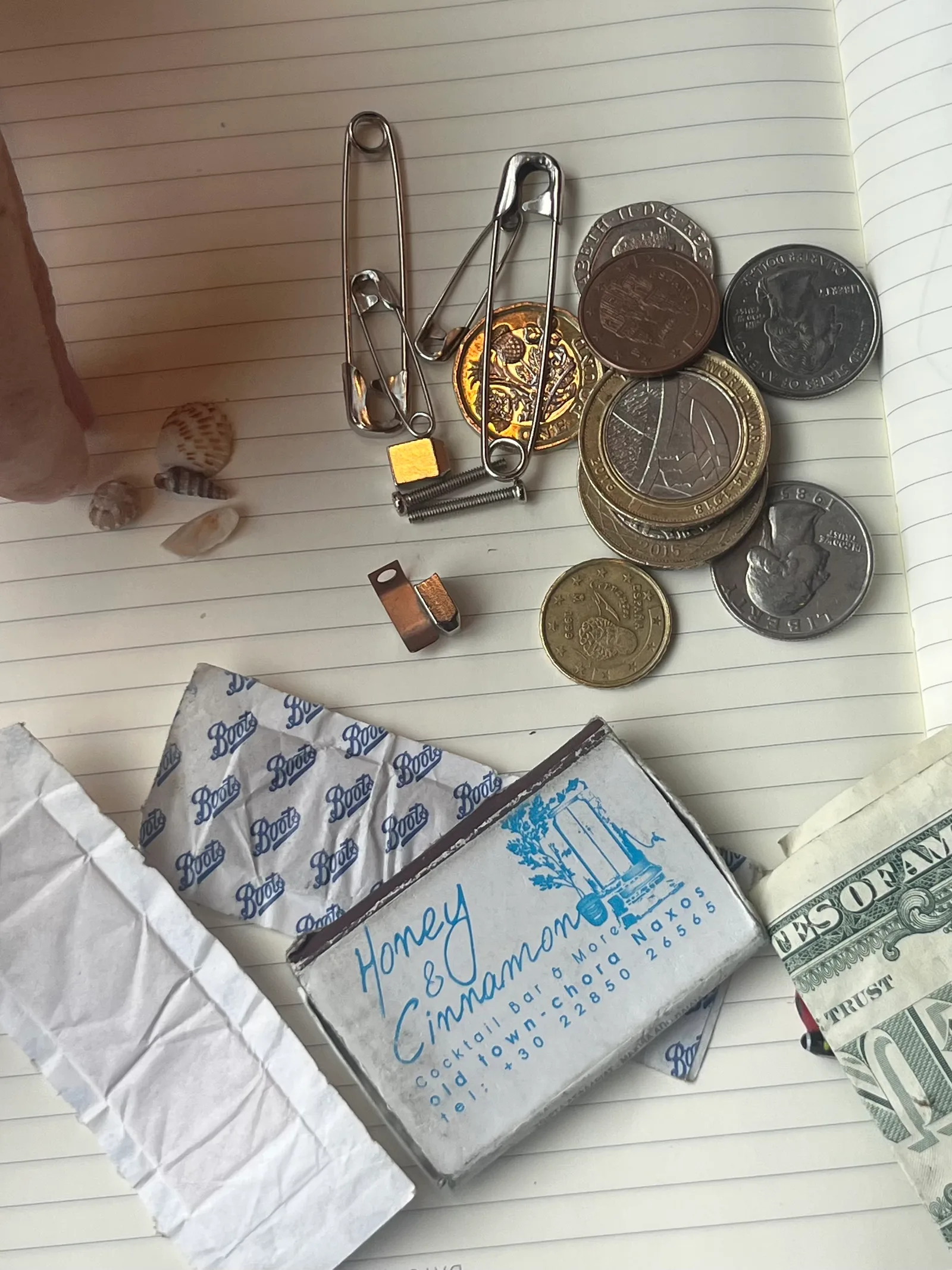
More amorphously, in chasing convenience, we give up a degree of responsibility. We no longer have to pay as close attention to the contents of our suitcase, provided we have a phone and a charger. We don't have to plan as far in advance or think through logistics in-depth; the immediacy of the digital sphere affords us a freedom to delay decisions and a freedom from geographic constraint previously unattainable. With less prior planning, we forgo the pre-departure research, giving us fewer in-roads to understand a place once we've arrived. This reduced planning translates into a diminished sense of connection to the location itself, simultaneously making it easier to move within a new location, while making that movement more superficial.
An interlude to say – there are not only downsides! We've freed ourselves from heavy bags laden with inaccurate translators, thick guidebooks, heavy keys, and crumpled papers. We've eliminated friction with travel – there's less to forget, fewer pockets to search for a ticket, fewer items to present to the customs agent. Much has been gained with the loss of physical objects, but tactilely, we've gone net negative.
And lastly, the loss of these physical objects changes our interactions with people. If we have a tap-to-pay metro system, we don't have to ask the agent how it works. If we're already bringing our phone somewhere, we can just look up directions maximized for efficiency instead of consulting a local. Yes, we might avoid a harried commuter or unhelpful citizen, but we lose out on local personality, an entertaining translation story, or a heartfelt recommendation. Foreign versions of familiar items have become familiar versions of familiar items, without the interaction needed to bridge that gap.
Responsibility, convenience, unfamiliarity: yes, these are all important in the conversation of reduced physicality in travel. But most fundamentally, what we're losing is the character of a place, the uniqueness of a foreign city through the way it feels. Though probably not the most important part of a trip, we won't remember the ringing of the hotel alarm clock with our phone alarm by our side, or the cool weightiness of a subway token or even Metro card, the click of the ticket puncher, or the feel of the payphone buttons.
In a world where the remaining physical tokens of travel are fast disappearing, the tactility that remains becomes of outsized importance. In perhaps the most impactful way, this manifests in where we choose to stay during our travels. Our homes, and those we stay in, are the source of our day-to-day physical comforts, and we register how they feel constantly, even without noticing: the texture of a door, the heft of the coffee pot, the way a floor feels underfoot. A hotel room built to be interchangeable will feel interchangeable, its surfaces chosen for uniformity rather than character. A home built from considered materials can't help but feel more tethered to a sense of place.
This is part of the thinking behind the homes on Rafter. At Rafter Lech, which dates from 1393, both the original construction and the newer additions are built from solid, local, untreated spruce, lending it a singular and intense physical identity. There, running a hand along a beam or leaning on the cool wood of the wall at the end of a long day means feeling something that people have felt for more than six hundred years, sharing not only texture, but an experience. It's a rare kind of continuity and comfort, one that no key card, however smooth, can replicate.
As with everything, progress is non-linear and pendular – society likes extremes. There's been a resurgence in film photography, buttons in haptics, and mono-functional appliances, and for good reason: they provide tangibility we've lost. This is not an argument for regression, but for innovation in the form of thoughtful modern integration of new technology with old principles and habits, and a reintegration of the artistry we've sidelined. When we bring the pleasures of the past into the present, we experience a new destination even more deeply than before.