Overlooked design in NYC
Lesser-known public art, design, and spaces hiding in plain sight across New York City.
By India Jones4 min read
Masstransiscope
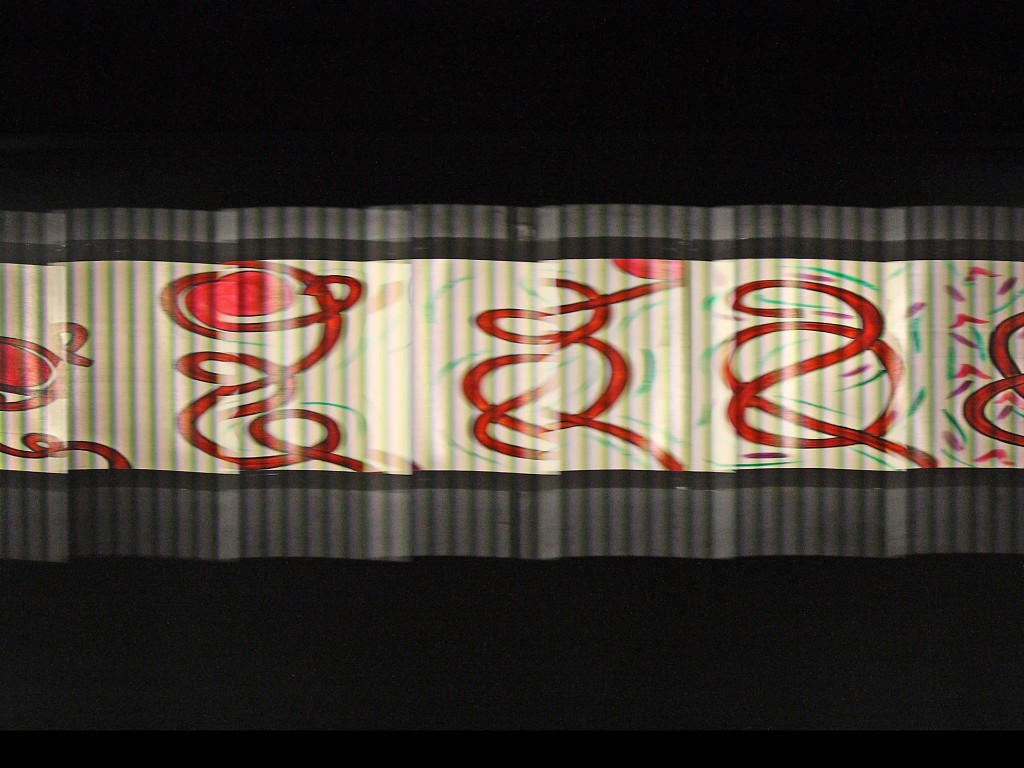
Instead of the grit and grime that greets most commuters as they gaze out of the subway windows onto the subterranean walls, Brooklyn's Masstransiscope brings light, color, and movement to an otherwise quotidian stretch of the underground. Through 228 hand-painted images over 300 feet, multi-disciplinary artist Bill Brand creates animation using the principles of the centuries-old zoetrope, an optical illusion where movement, slats, and individual panels combine to create a short, colorful movie along the subway walls. Originally installed in 1980, the artwork was restored in 2008 and remains to this day, viewable to Manhattan-bound passengers departing DeKalb Avenue station.
Greenacre Park
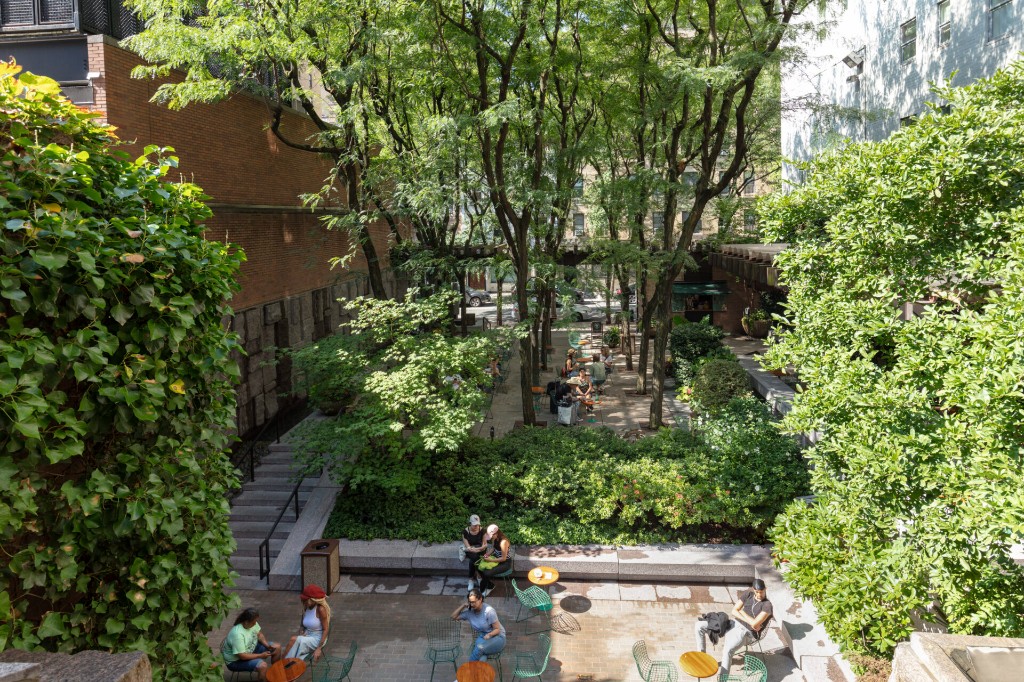
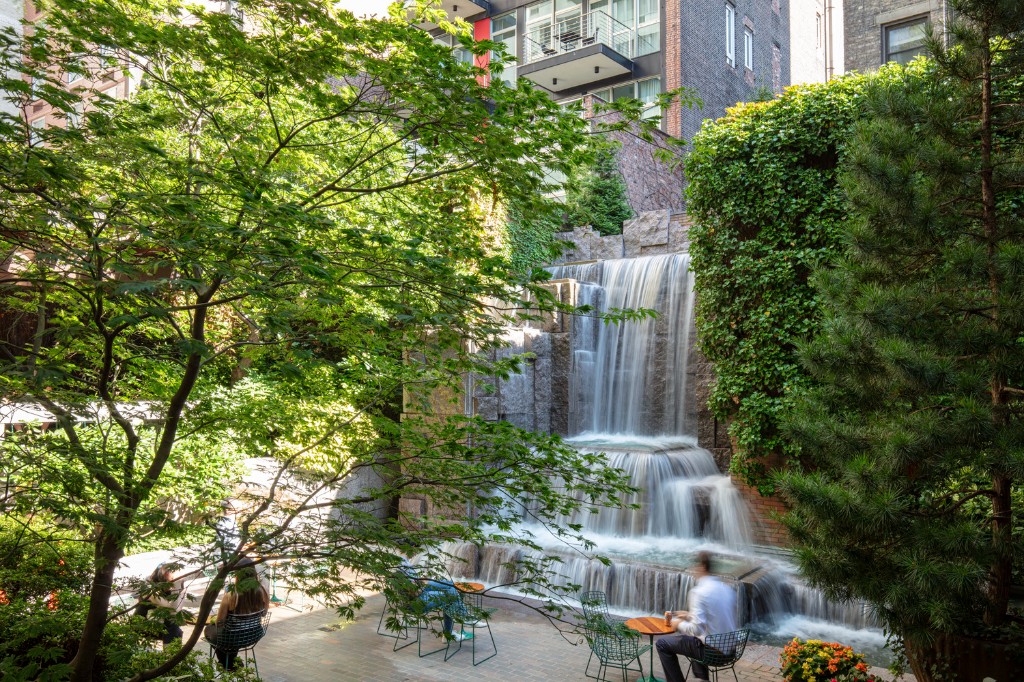
Tucked away in Midtown Manhattan's Turtle Bay, Greenacre Park serves as an oasis in a sea of office buildings. A so-called "pocket park," due to its small size, Greenacre nevertheless provides tranquility, lush greenery, and a sense of wonder in an otherwise bustling and concrete-heavy area. This calm is in part due to its functional design – in addition to varied seating and elevated areas that promote heterogeneous enjoyment, the 25-foot waterfall that cascades down tiered stone is peaceful both visually and auditorily, its low rush blocking surrounding city noise. Opened in 1971, it now stands on the National Register of Historic Places and brings a new generation of New Yorkers respite in their workday.
Broadway Diary at 8th Street–NYU
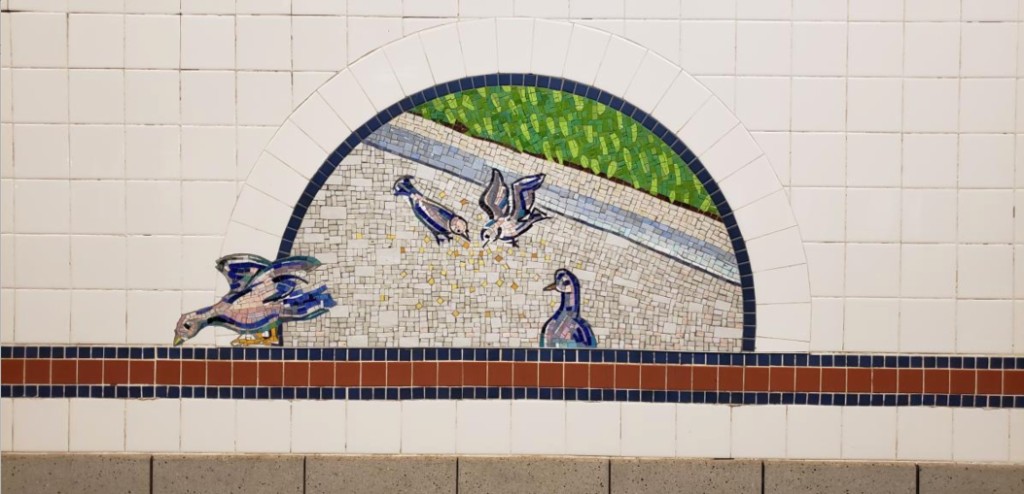
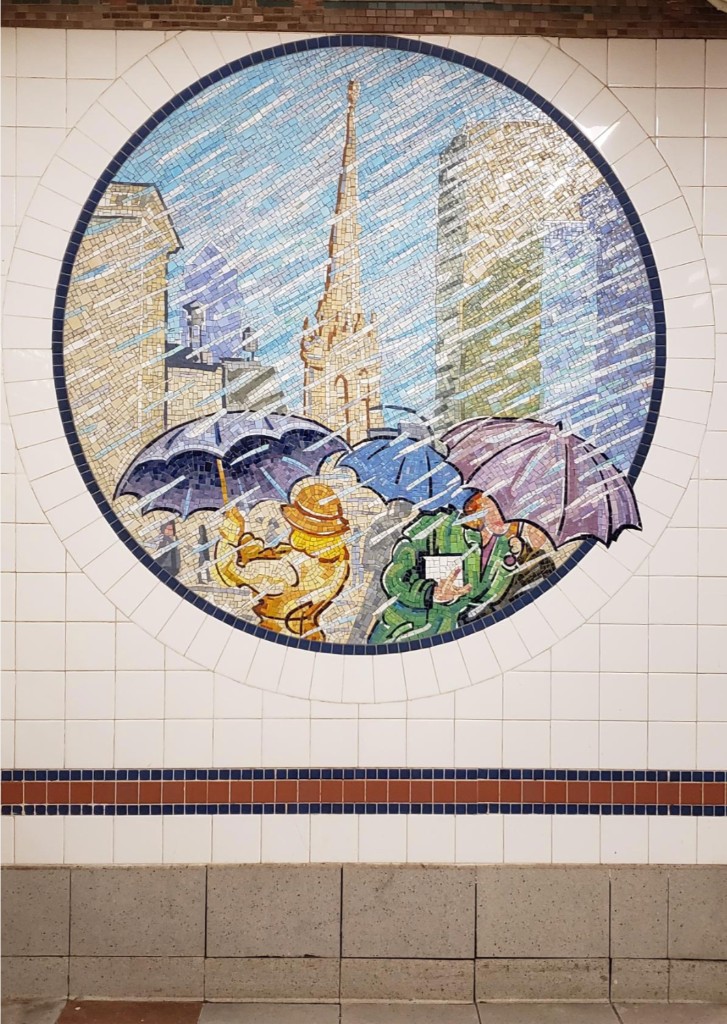
Tiles are the visual language of the subway, lending an antiquated sense of elegance to an otherwise unglamorous network of squeaking cars and fetid puddles. Though most stations feature basic ceramic work, only the 8th Street–NYU station is fortunate enough to have Timothy Snell's Broadway Diary, a series of 40 mosaic so-called "portholes" depicting local scenes, faces, and monuments. Landmarks like Astor Place's Cube dot the station in the project's signature circles, alongside quotidian scenes of a bird taking flight, a building's cornice, and a friendly face, finding a home in Broadway Diary's mosaics and lending unexpected levity to passersby.
Domino Sugar Refinery
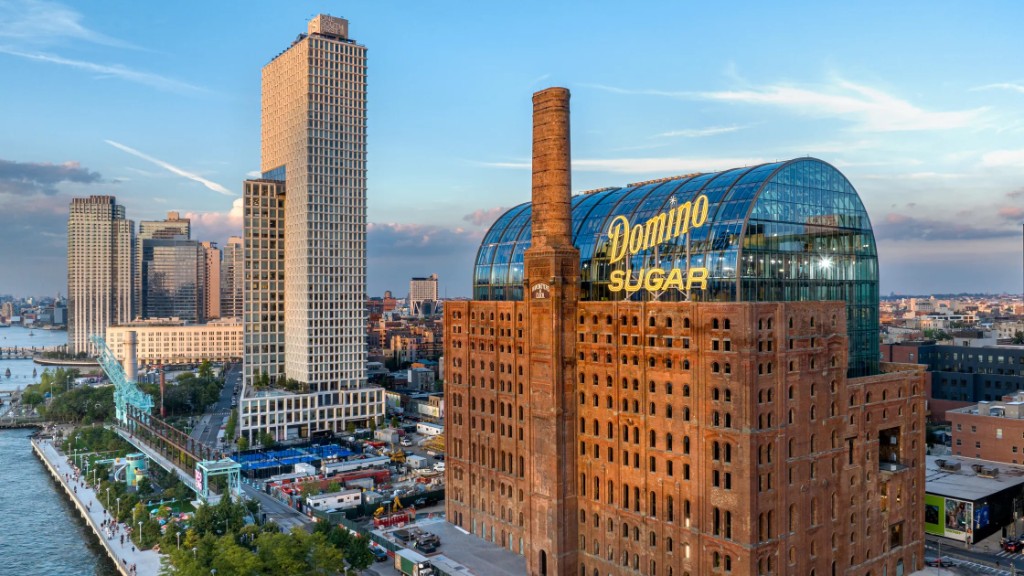
Though located in Williamsburg, Brooklyn, this building is perhaps best viewed from Manhattan or the East River to appreciate its full beauty. The original industrial brick facade of this former sugar refinery has been elegantly restored with a massive, modern, vaulted glass roof, continuing the original building's legacy as a waterfront landmark. First opened in 1884, the American Sugar Refining Company, which produced Domino sugar, operated within this building until 2004, after which much of the complex fell into disrepair. Since its restoration in the past decade, it has operated as an office building, blending historical and contemporary design with modern function.
St. George Ukrainian Catholic Church
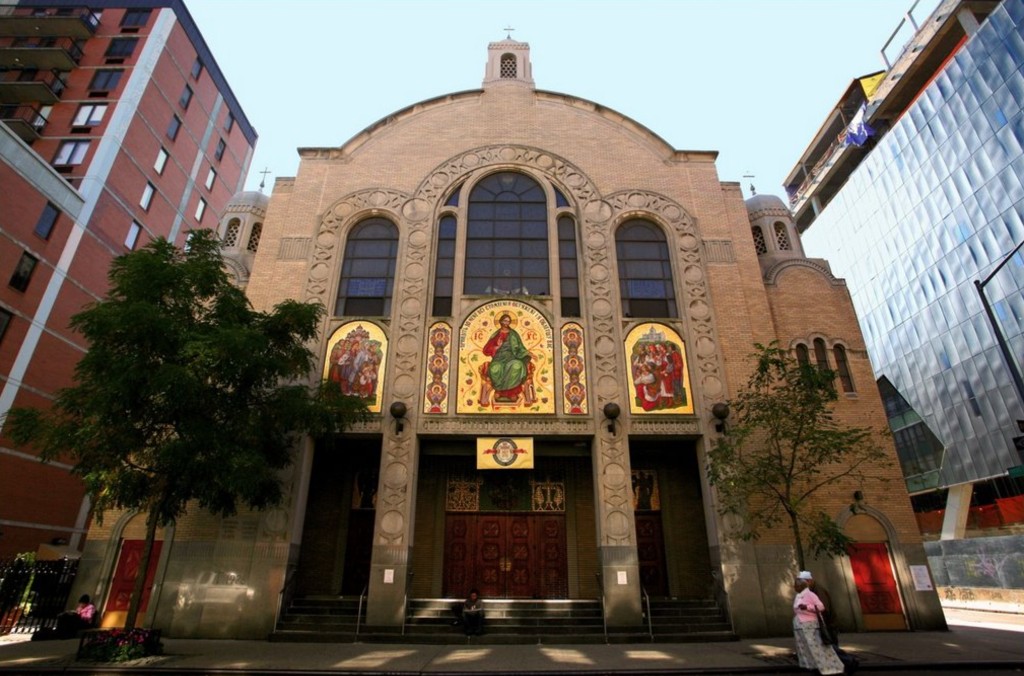
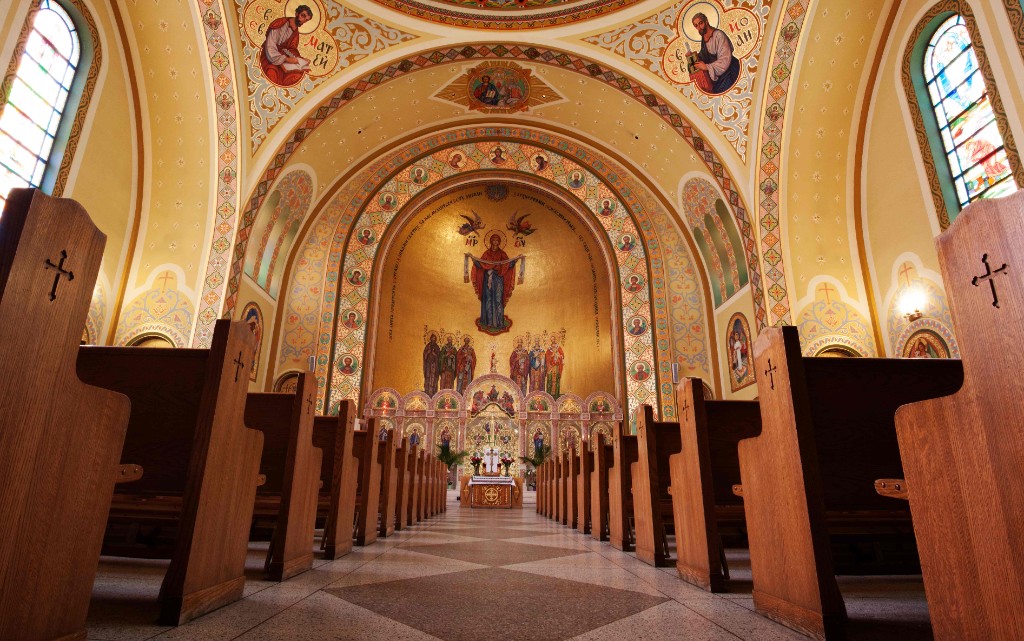
On an unassuming corner just off 3rd Avenue lies St. George Ukrainian Catholic Church. Since 1978 it has stood in the heart of Manhattan's Ukrainian Village, flaunting Byzantine-style architecture and gleaming golden mosaics at its entrance on 7th Street. These mosaics depict the Church's patron saint, St. George, flanked by Ukrainian citizens, and greet any pedestrian who chances to look up with a dose of resplendent beauty. A step inside reveals more gold artwork, open to any who wish to observe the opulent and vibrant interior.
Ford Foundation Atrium
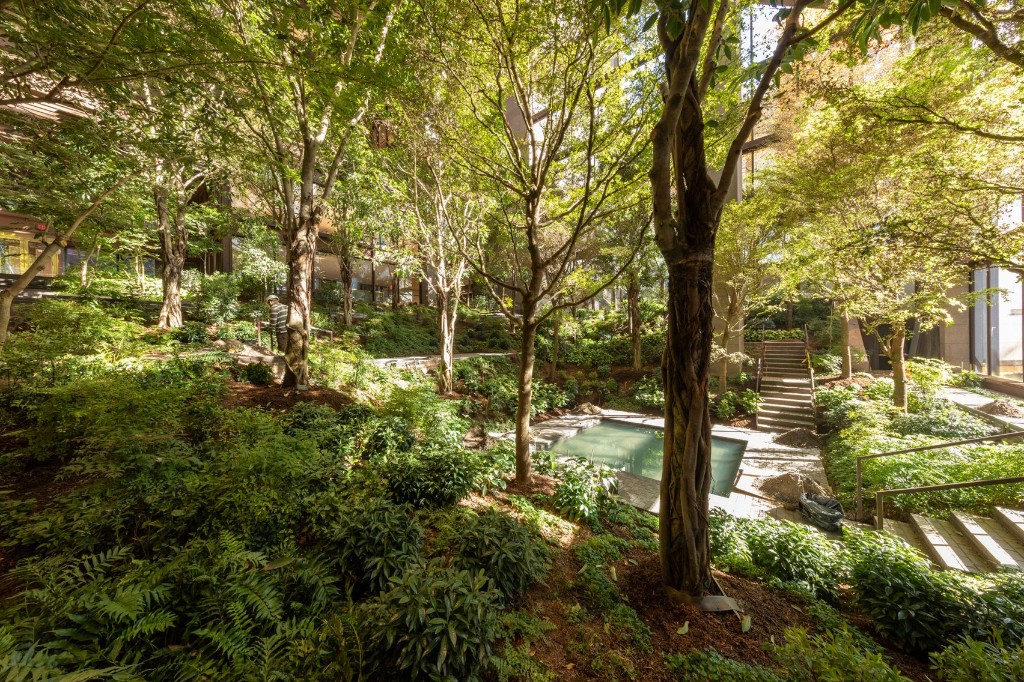
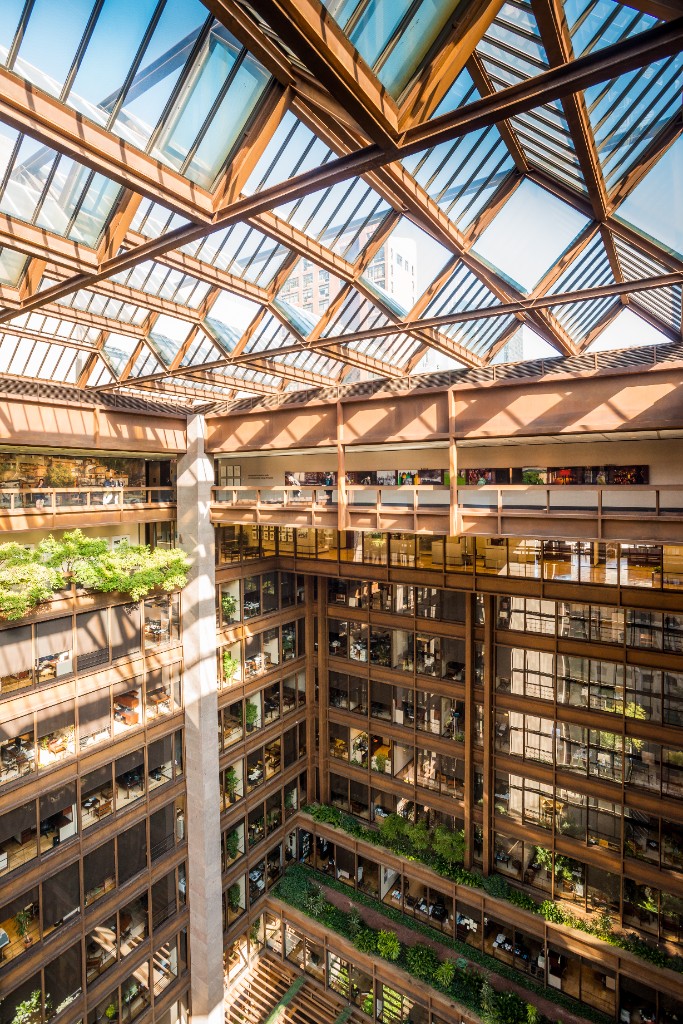
Though the Ford name may primarily evoke cars, the Ford Foundation's headquarters could not be further from that image. Its late-modernist style building – a sight unto itself, with its concrete pillars and inset glass – houses a yet more remarkable interior: a towering public atrium, lush with trees, greenery, and drenched in sunlight filtering through the geometric glass ceiling 16 stories overhead. Completed in 1967, the atrium has become a place for office workers and the general public alike to admire art, architecture, and flora, and to enjoy a moment of rest.