Sense of Place with Ash Horne
The London-based writer, director, and producer on how film turns a location into a feeling, and the Tokyo he still wants to shoot.
By India Jones8 min read
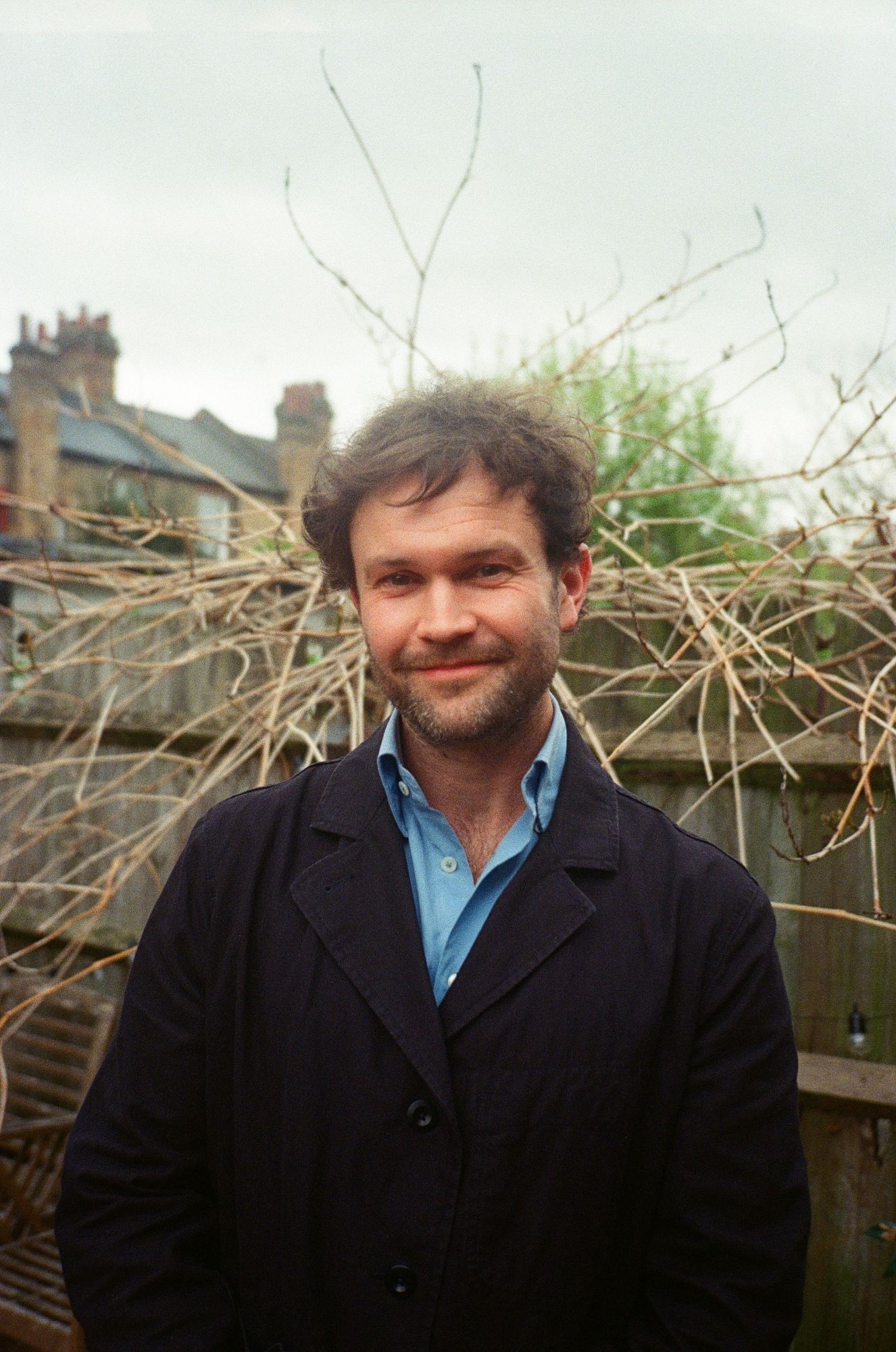
In Rafter Magazine’s first interview, we sat down with Ash Horne, the London-based writer, director, producer, and film-world polymath. Having initially made a name for himself as one third of the band The Midnight Beast, Horne quickly made the transition to television and, later, to film.
With his surreal creative style and varied production experience, we wanted to ask him about his experience with sense of place in film, from his expertise and insight as producer to impressions others’ work has made on him as an avid film watcher.
While location can absolutely be evocative in isolation — the vast IMAX waves of The Odyssey, the winding rural roads of The Secret Life of Walter Mitty, shots of a desolated East Village in No Picnic — sense of place refers to how an objective geographic location is transformed into a subjective and unique experience via personal associations, curation, and atmosphere development.
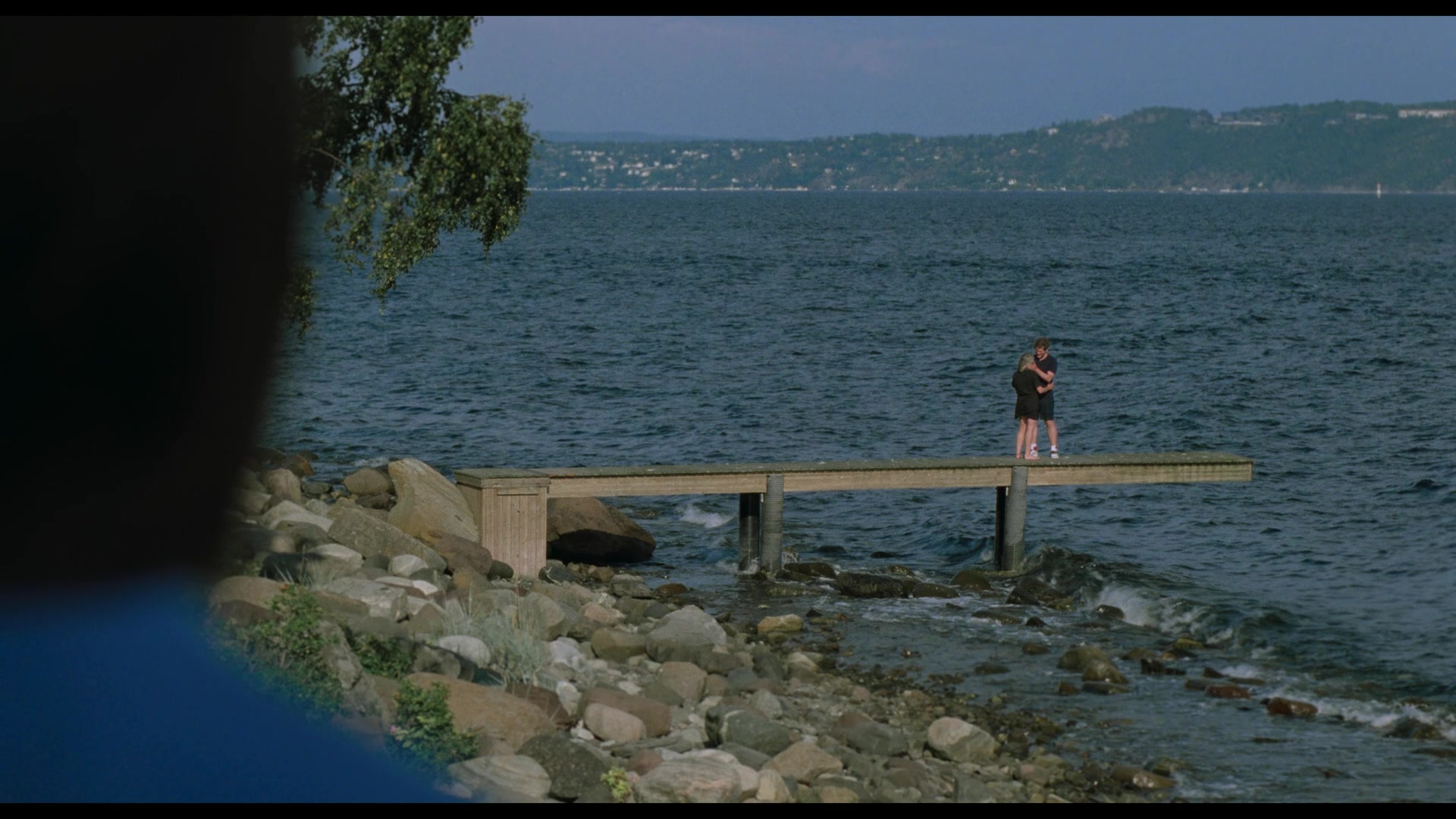
When asked about films with the strongest sense of place, Horne cites Joachim Trier’s The Worst Person in the World, noting that Trier creates “such a cool feeling” as Julie, the young protagonist, “goes to a house party at one stage and [when] she leaves… it’s just her walking around Oslo with [a] guy super early in the morning. This brings back memories for me and [for] other people that have had similar experiences.” Horne himself has never been to Oslo, but through Julie and the memories we project onto her, this scene transforms an early-morning view of a foreign city to an experience of youth both deeply tethered to and larger than its physical location.
Just as the character and experiences of Julie create the sense of place in Oslo, Horne’s own work turns to people to root the viewer in a setting, and sometimes that means letting the place speak for itself. For the Jasper Cable-Alexander-directed shorts “Life at the Almhof” for Austria’s Hotel Almhof Schneider, Horne and Cable-Alexander built the videos around the hotel’s real employees. A conventional shoot locks in casting and full storyboard before anyone arrives, which streamlines the process but leaves little room for adjusting to the personality of the location. Says Horne, “We didn’t know who we were going to cast. Usually you’d have a very thorough casting process before and everything will be set in stone before you get there” but they decided to leave the storyboard flexible enough to build original atmosphere through arriving on-site and interacting with locals. The result was a hotel portrayed by the people who embody its unique spirit. Adds Horne, “Things do change when you’re there, sometimes because of location… That’s when you have creative freedom.”
Reality acting as a driver of sense of place emerges again in The Worst Person in the World, Horne notes, as Julie runs through Oslo, reckless and liberated as the rest of the world is frozen in place. Says Horne, “I know for a fact that they use real people in shot,” adding, “I just thought it was the most beautiful way of using the location. I think [Trier is] a genius when it comes to locations.”
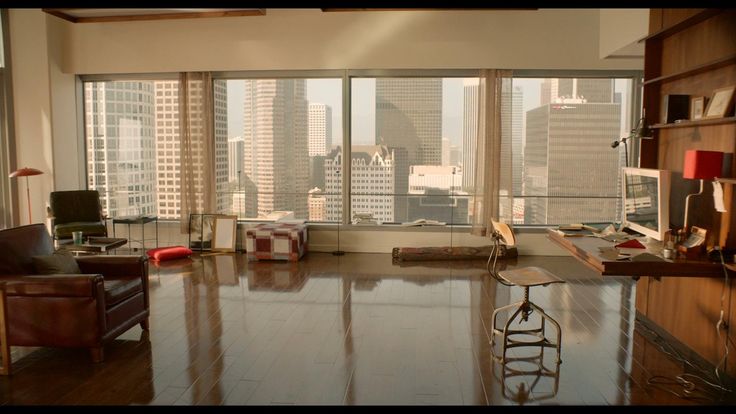
Another film Horne cites is Her, Spike Jonze’s 2013 sci-fi romance with Joaquin Phoenix as the human to Scarlett Johansson’s disembodied AI. “With Her especially — I think they shot part of it in LA and part of it in Shanghai, which made it feel dream-like — [the protagonist] Theodore was mentally in this state of mind… he was in this place that was just a bit — he didn’t really know where he was in life. It was all a bit dreamy, a bit mysterious and whimsical. What I liked about the location especially was [that] you couldn’t really place it,” reflects Horne. In this regard, sense of place becomes — ironically — less about location and more a reflection of mentality, well suited by virtue of its detachment. Despite it being a dystopian version of the future, Horne observes that the familiar-yet-unplaced nature of the setting is what is so effective, pointing out that “it felt weirdly comforting and quite warm, especially with the colors. If they went into a weird dystopian place, it wouldn’t have felt as homely as a film.”
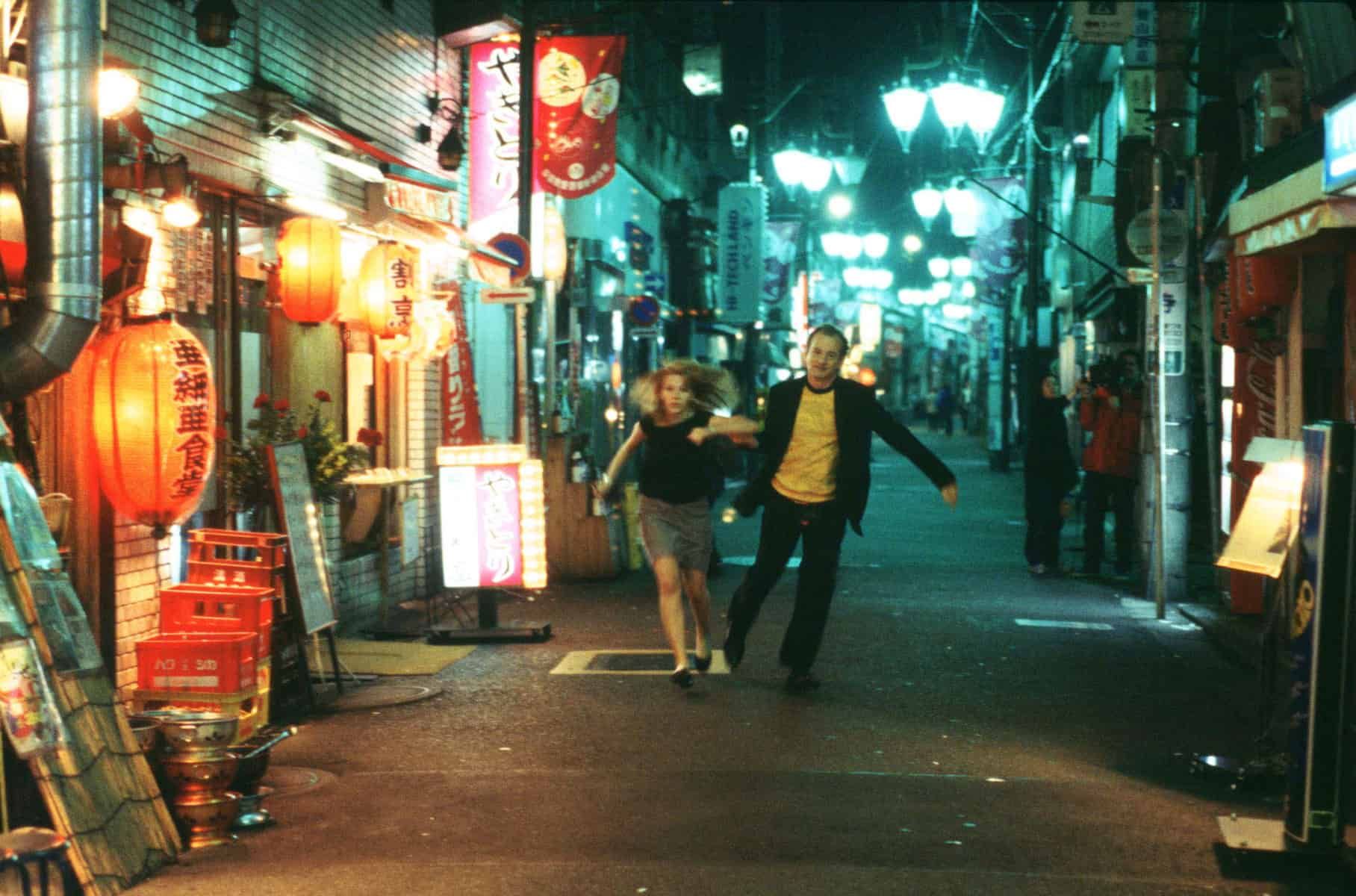
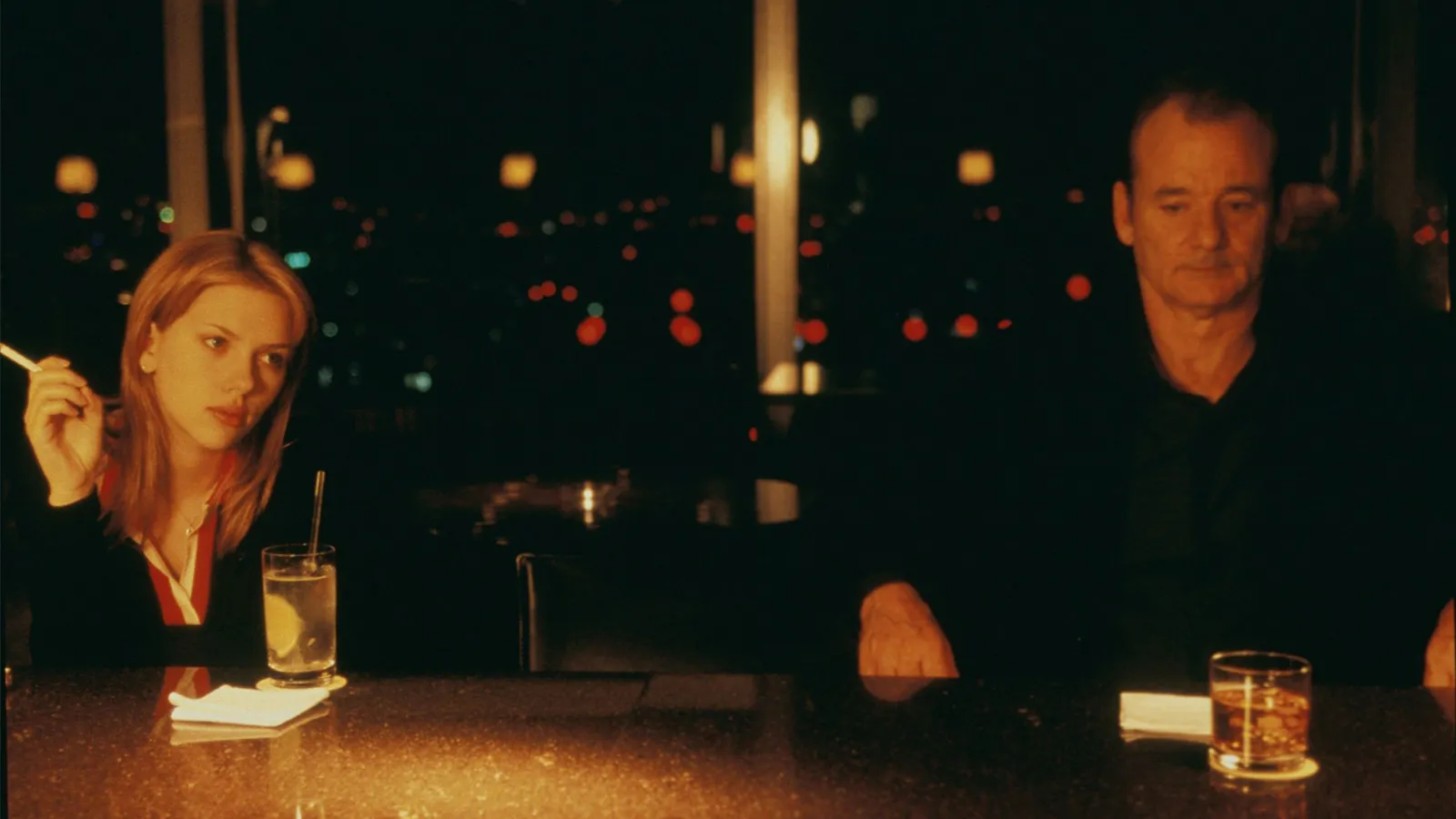
Sofia Coppola’s Lost in Translation, too, rounds out Horne’s list of films with a deftly created sense of place. Horne muses, “That’s such an interesting film because that was based on Spike Jonze’s relationship with Sofia Coppola, right? And the breaking down of their marriage and how isolated she felt in that relationship. So again, that’s a reflection of the character’s mental state and point of view.”
Location isn’t just a narrative tool or reflection of reality — the opposite is also true: a film’s portrayal of place may shape our own lives. As Horne succinctly puts it, “Joachim Trier… uses Oslo in such a way where you just want to visit Oslo.” And that pull doesn’t need glamour or a particularly idealized view of a city – it’s all in the ambiance and mise en scène. Of Wim Wenders’ Perfect Days, about a toilet cleaner in Tokyo, Horne says, “Not that I want to go and visit all the toilets in Tokyo, but I would love to go to Japan at some stage.” In addition to breeding aspiration, film also primes how we experience a place once we arrive. Flying to New York for the first time, Horne watched Goodfellas and recalls thinking, “I can’t wait to go over there and, you know, pretend I’m a mafioso.” While shooting at the Almhof, he says it was “inspiring watching [Ruben Östlund’s Force Majeure] and then shooting there.” Before we ever board a plane, films give us the longing to go, and, once we land, an inroad to appreciating and experiencing the place more deeply.
To achieve these transformational impacts is challenging, sometimes unsanctioned, and potentially dangerous work. When asked about locational challenges from the production side, Horne draws a distinction between a more scripted, rigid, and by-the-book film and commercial shoot and the comparatively looser documentary side of things. “With documentaries, you can get away with way more because the crew is always going to be more skeleton-based. There’s only going to be you, the DP, maybe a sound guy. As soon as the crew becomes huge, then you’re looking at permits and you can’t really get away with run-and-gun situations where you just turn up with a camera, shoot something and then jet off.”
That’s not to say documentaries don’t come with their own challenges, though. Without the guardrails of more predictable sets, the location itself becomes the variable. On 2025’s The Edge of Existence, on which Horne served as executive producer, the elements set the terms: “You can’t plan for that stuff when you’re against the sea and the wind and every other thing.”
Looking forward, Horne cites Japan as an aspirational film destination for him. “Get me to Japan. Yeah. Japan all the way. Tokyo. Get me there. Get me there! Get me there with a little handheld camera or… I don’t want a big crew. I don’t know what I’m shooting, but just get me there with a camera.” Says Horne, “That would be the dream.”
To round out our conversation, we asked Horne a few quicker questions.
What are your top film locations?
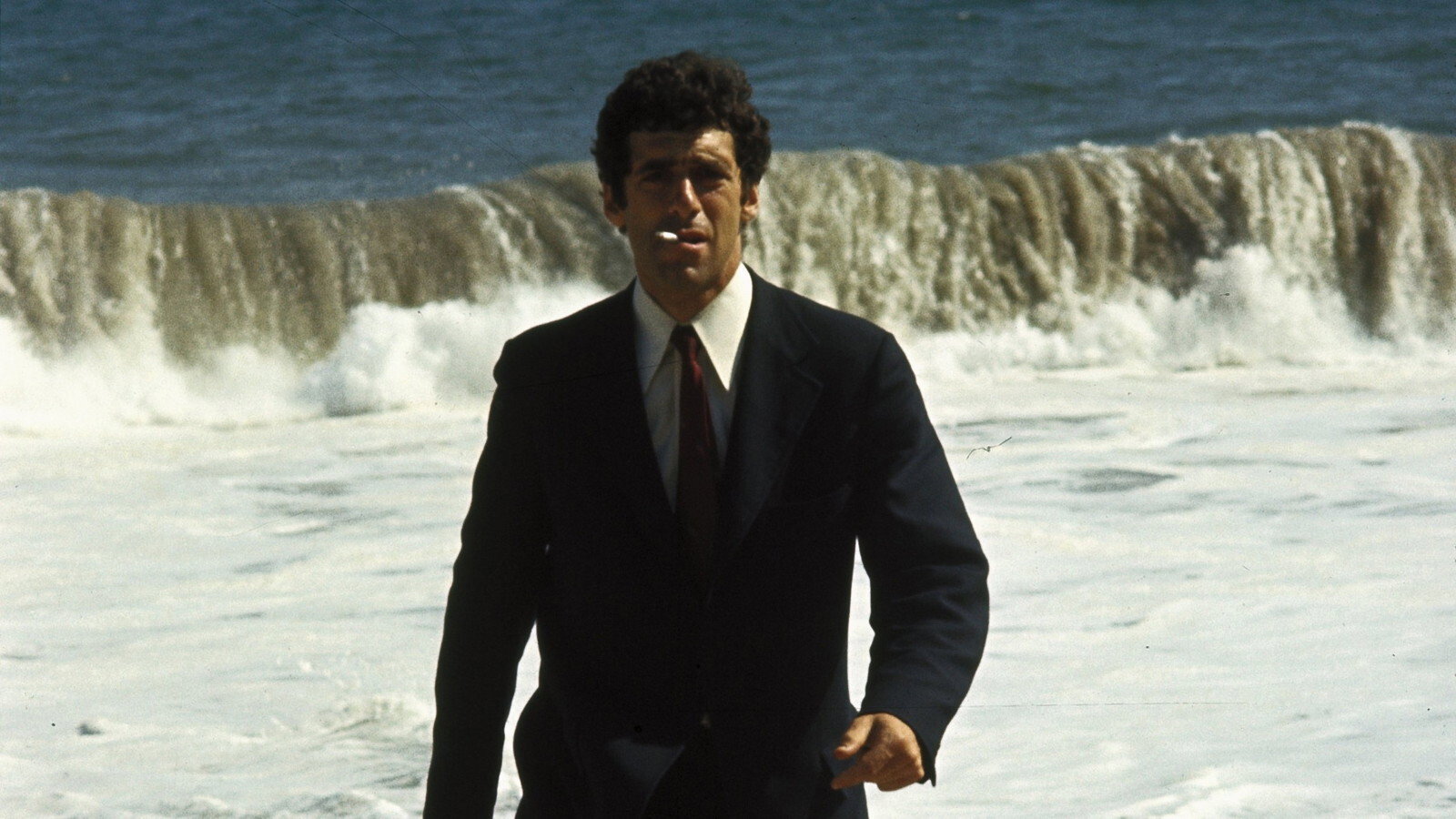
Los Angeles. “I’d say LA in general. I mean The Long Goodbye. Punch-Drunk Love. The Player — Robert Altman. LA of course holds a lot of mystery and excitement and magic. La La Land. I love La La Land. It’s whimsical, it’s beautiful.”
Japan. “Perfect Days, Lost in Translation. That’s the [version of Tokyo] we all want to experience, right? We all want to be Bill Murray singing karaoke with Scarlett Johansson.”
Oslo. “Let’s go with Oslo as well. Worst Person in the World, the Oslo Trilogy. And they all hold different feelings.”
Download movies for the plane or look at the TV provided?
As a kid: see the new releases. “As a kid, it would be very exciting,” adding, “[I] was always hoping to see a film before it’s released. I think I saw Wreck-It Ralph once on the plane and I was like, ‘This is great. No one in the UK has really seen this.’”
Now: download. “Now you can’t really trust what films they have on planes so you have to download your own. You have to download your own off MUBI or wherever.” Horne also notes that you can watch his film The Second Time Around “currently on all Virgin Atlantic flights… ‘til the end of December.”
Do you pack anything for a shoot that isn’t necessarily part of the equipment or technical list?
“Sometimes my own coffee. Sometimes set coffee isn’t the best. That’s such an awful thing to say…”
Movies mentioned
- The Worst Person in the World, Joachim Trier
- Her, Spike Jonze
- Lost in Translation, Sofia Coppola
- Perfect Days, Wim Wenders
- Force Majeure, Ruben Östlund
- Goodfellas, Martin Scorsese
- The Edge of Existence, Aaron Wheeler
- Punch-Drunk Love, Paul Thomas Anderson
- The Player, Robert Altman
- La La Land, Damien Chazelle
- Wreck-It Ralph, Rich Moore
- The Second Time Around (short), Jack Howard
Ash Horne is a London-based film producer and creative director. His most recent project, the short Swim Sistas, was recently longlisted for the 2027 Oscars.